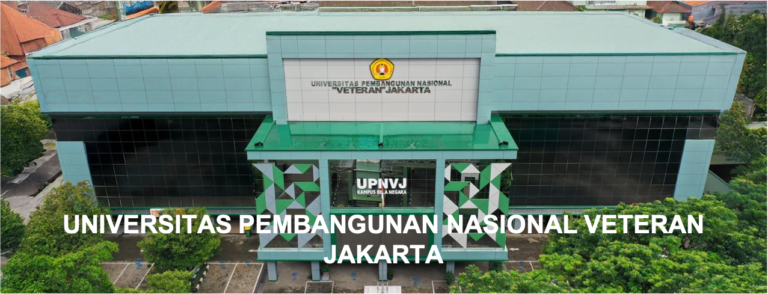



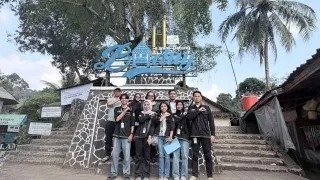
EduAsiaNews, Lebak, Banten – The Student Executive Board (BEM) of Universitas Pembangunan Nasional “Veteran” Jakarta (UPNVJ) has launched the Sustainable Village Baduy Luar 2026 program in Kanekes Village, Leuwidamar District, Lebak Regency, Banten. Scheduled to run from July 18–27, 2026, the initiative integrates community empowerment activities across the fields of economic development, health, education, environmental sustainability, and communication capacity building.
Carrying the theme “Threads of Change: Weaving Impact Together,” the program is designed as a student-led community engagement initiative that responds to local needs. UPNVJ students will serve as facilitators in digital marketing assistance, health screenings, non-formal education, waste management, and communication training for local entrepreneurs and cultural tourism guides.
The initiative is built upon the economic and cultural potential of the Kanekes community. According to observations and interviews documented in the program proposal, approximately 90 percent of households rely on upland farming and the utilization of non-timber forest products, including honey, medicinal plants, ginger, turmeric, and aromatic ginger (kencur).
Local honey production is estimated at around 50 units per day, involving approximately 100 vendors from seven villages. Traditional weaving also serves as an important source of household income. In addition, the local economy benefits from Baduy cultural tourism (saba budaya Baduy), which attracts an estimated 120,000 visitors annually.
Despite these strengths, the community continues to face several challenges. Most local products are marketed through direct sales and traditional markets, while digital marketing skills—including product photography, packaging, social media promotion, e-commerce utilization, and cashless payment systems—remain limited.
Through its economic development program, UPNVJ students will assist local entrepreneurs in creating and utilizing QRIS digital payment systems, e-commerce accounts, social media platforms, and digital product catalogs. The initiative targets at least 15 local business owners, enabling them to expand their promotional reach and transaction channels while preserving the community’s cultural identity and values.
The mentoring program also includes establishing social media platforms to support the promotion of Baduy cultural tourism. After these digital platforms are developed, students will conduct outreach, monitoring, and evaluation activities to ensure that community members can independently manage and sustain them.
In the health sector, the Sustainable Village Baduy Luar program aims to provide health screenings and education on the use of herbal medicine for at least 40 adult residents. The screenings will include basic health checks such as blood glucose, cholesterol, and uric acid testing.
Students will also deliver education on clean and healthy living practices as well as basic first aid for snakebite management, particularly for residents working in agricultural and forest areas. At least 15 participants are expected to take part in this program. Given Kanekes Village’s hilly and forested terrain, knowledge of emergency response and personal safety is considered especially important.
The education component targets children aged 5–12 years through non-formal learning activities using smart boxes, health education, nature-based creative learning, and hands-on projects utilizing natural materials. The program is expected to engage at least 15 children in educational, participatory, and enjoyable learning experiences.
Local entrepreneurs and cultural guides will also receive public speaking and digital communication training. These sessions are intended to enhance their ability to communicate information about local products, services, and cultural traditions more effectively when interacting with visitors.
In the environmental sector, students will work with residents to identify waste accumulation points, promote waste segregation, and introduce more systematic waste management practices. The program also plans to construct at least two low-smoke incinerators, accompanied by operational demonstrations and community education on their proper use.
The management of these facilities will involve local community groups to ensure their long-term sustainability after the student program concludes. This approach is intended not only to provide infrastructure but also to foster lasting awareness and responsible waste management practices within the community.
The Sustainable Village Baduy Luar initiative will be implemented in two phases. The first phase will focus on health and economic empowerment, while the second phase will concentrate on education and environmental sustainability. This phased approach is designed to ensure that each activity is implemented systematically and effectively according to its target beneficiaries.
The program contributes to the Sustainable Development Goals (SDGs), particularly SDG 3 (Good Health and Well-being), SDG 4 (Quality Education), SDG 8 (Decent Work and Economic Growth), SDG 12 (Responsible Consumption and Production), and SDG 13 (Climate Action). It also provides students with valuable opportunities to develop leadership, teamwork, social awareness, and community engagement skills.
The program is coordinated by Glen Christhover Aprilano, Chair of the Sustainable Village Baduy Luar 2026 Organizing Committee, together with members of the UPNVJ Student Executive Board. They work closely with village officials, community leaders, local organizations, business owners, and residents of Kanekes Village to ensure that every activity is aligned with community needs while respecting the area’s long-standing cultural traditions and local wisdom.
This spirit of community service is consistent with UPNVJ’s institutional commitment to promoting innovation that addresses real societal needs. In previous official university engagements, UPNVJ Rector Prof. Dr. Anter Venus, M.A., Comm. emphasized the importance of developing innovations that generate tangible benefits and provide practical solutions to community challenges.
Through the Sustainable Village Baduy Luar program, UPNVJ reinforces the role of its students as agents of change who not only generate ideas but also actively participate in empowering communities. By adopting a collaborative and sustainable approach, the initiative seeks to strengthen local potential, improve community well-being, and preserve the cultural heritage of Kanekes Village while supporting sustainable development.(www.upnvj.ac.id)