




EduAsiaNews, Pekanbaru – Transparency at Universitas Riau (UNRI) has become an integral part of the university’s efforts to build accountable governance and strengthen public service delivery. This commitment is being reinforced through the implementation of the 2026 Internal Monitoring and Evaluation (Monev) of the Information and Documentation Management Officers (PPID) Units, Period I, which is being conducted from July 22 to August 6, 2026. The initiative aims to improve the quality of public information disclosure across all faculties, graduate schools, institutes, and administrative units within the university.
For many, monitoring and evaluation is often associated with document reviews and administrative inspections. However, behind the process lies a broader effort to ensure that information belonging to the public domain can be accessed easily, promptly, and responsibly. Accordingly, the internal Monev is intended not merely as an assessment exercise, but as a reflective forum through which each faculty, institute, and work unit can continuously evaluate and improve its public information governance.
This was emphasized by Dr. Ir. Sofyan Husein Siregar, M.Phil., Chair of UNRI’s PPID and Vice Rector for Planning, Cooperation, and Information Systems. He stated that the Internal PPID Monitoring and Evaluation serves not only to measure compliance with public information disclosure standards, but also as an opportunity for every unit within UNRI to enhance the quality of its information services.
“We hope that all PPID Units will be able to showcase their best practices, evaluate existing shortcomings, and strengthen their commitment to delivering information services that are transparent, accountable, and easily accessible to the public. Information disclosure must be viewed as part of the organizational culture, not merely as an administrative obligation,” he said.
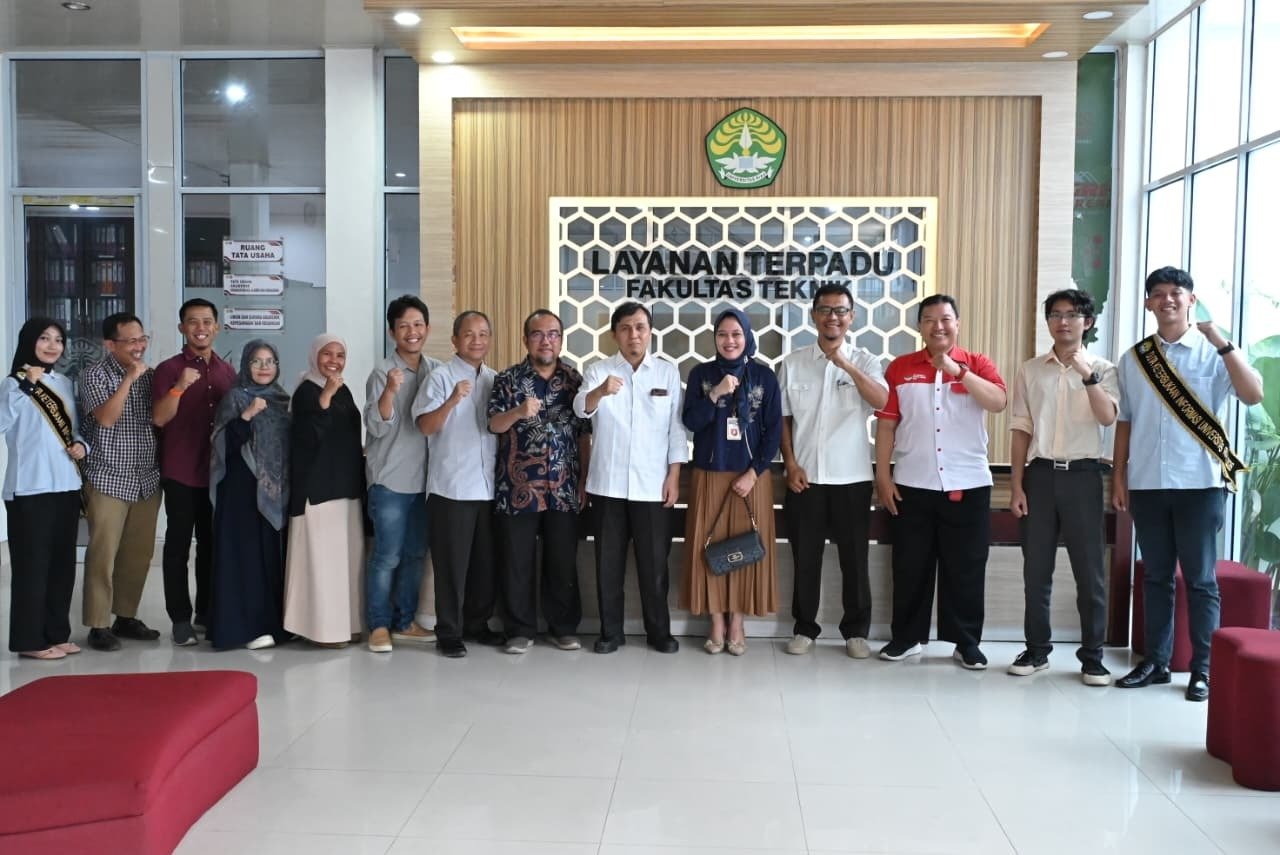
In a separate statement, Clara Yolandika, S.P., M.Si., a member of the Internal Monev Team, explained that the evaluation involves all faculties, the Graduate School, and institutional units across UNRI according to the established schedule. Each unit is required to present its achievements and share best practices in supporting the implementation of public information openness.
According to Clara, all PPID Units are required to prepare a range of supporting documents, including the Self-Assessment Questionnaire (SAQ), updates to the PPID website containing the Public Information List (DIP), Standard Operating Procedures (SOPs) for information services, organizational structures, service declarations, institutional vision and mission statements, as well as the duties and functions of each PPID Unit.
In addition, every unit is expected to present its innovations in public information services, leadership commitments, strategies for implementing information openness, supporting facilities and infrastructure, and the various information transparency programs that have been carried out.
Clara further emphasized that through this monitoring and evaluation process, information openness is being cultivated as a sustained institutional culture, not merely as a requirement during assessment periods. Every document prepared, every innovation presented, and every service improvement undertaken reflects a collective commitment to building a university governance system that is transparent, accountable, and responsive to public needs.