




EduAsiaNews, Tokyo — Institut Teknologi Bandung (ITB) conducted an institutional visit to several higher education institutions in Japan on Thursday (Oct. 1, 2026), as part of efforts to strengthen its international network and explore opportunities for cooperation in education and research.
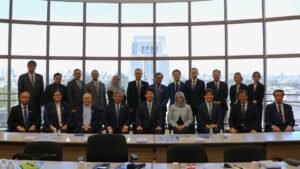
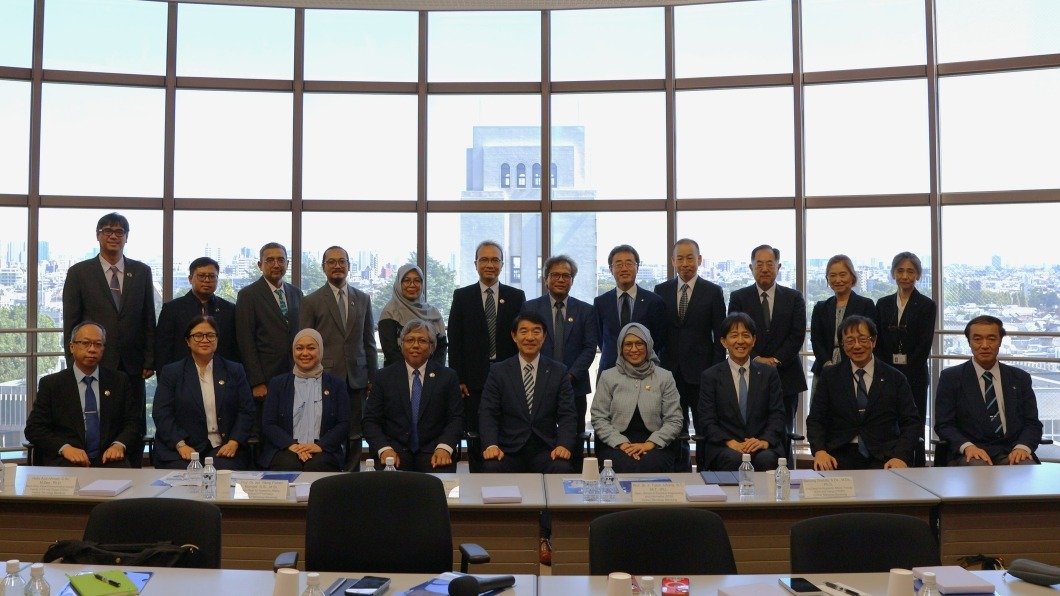
The ITB delegation was led by ITB Rector Prof. Dr. Ir. Tatacipta Dirgantara, M.T., and included several deans from ITB faculties and schools. During the visit, the delegation held meetings with the Institute of Science Tokyo (Science Tokyo) at its Ookayama Campus and the National Graduate Institute for Policy Studies (GRIPS) in Tokyo.
Strengthening Research Collaboration with Science Tokyo
During the meeting with Science Tokyo leaders, ITB discussed strengthening collaboration among researchers and developing co-supervision arrangements for students. The meeting provided an opportunity for both institutions to identify potential areas of collaboration based on their respective expertise and research activities.
The ITB delegation also visited several laboratories at Science Tokyo. The visit provided an opportunity to gain a closer look at research facilities and activities that could serve as potential areas for future research collaboration.
Exploring Exchange and Joint Supervision with GRIPS
During the meeting with the National Graduate Institute for Policy Studies (GRIPS), the ITB delegation discussed opportunities to develop academic cooperation in various forms.
The opportunities discussed included student exchange programs, PhD joint supervision and cross-assignment schemes for professors between the two institutions. These arrangements could enable ITB and GRIPS to expand academic interaction while bringing together the expertise of faculty members and researchers from both institutions.
The ITB visit to Japan formed part of the university’s efforts to expand its global partnerships through more concrete cooperation at the institutional, faculty and school, and researcher levels. The collaboration is expected to create more opportunities for students and faculty members in education, academic mobility and joint research development.