




EduAsiaNews, Yogyakarta – Climate change is no longer viewed solely as an environmental issue. It also has the potential to heighten tensions and conflicts among nations as water scarcity, energy insecurity, and food shortages increasingly reshape the global security landscape if left unmanaged through international cooperation.
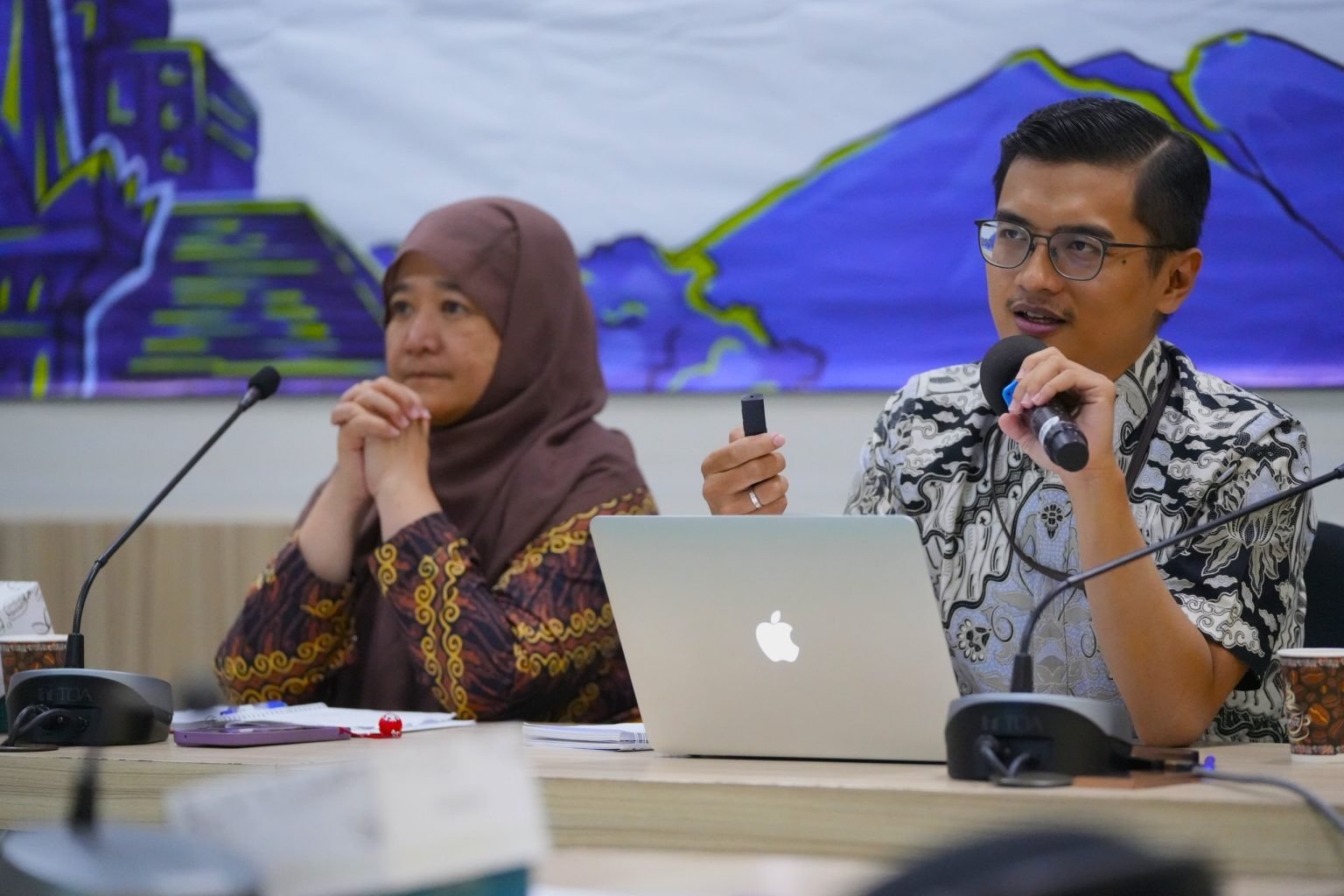
These strategic issues were at the center of discussions during the International Course on Multiculturalism and Humanity (ICOMUH) 2026, held at Universitas Muhammadiyah Yogyakarta (UMY) on Monday (August 3). Carrying the theme “Advancing Climate Resilience through Humanity and Multicultural Collaboration,” the program explored climate resilience across the ASEAN and Asia-Pacific regions.
The Evolving Concept of Global Security
Speaking before participants from various countries, Dr. Rafyoga Irsadanar, a lecturer in International Relations at UMY, presented a comparative analysis of climate resilience in Indonesia and Japan. He emphasized that the concept of international security has undergone a significant transformation.
“In the past, discussions on security primarily revolved around military affairs, wars, and invasions. Today, however, the nature of security threats has shifted toward non-traditional challenges, including climate change and natural disasters,” Rafyoga explained.
According to the World Meteorological Organization (WMO), 2024 was the hottest year ever recorded. Rising global temperatures have intensified droughts, floods, and sea-level rise. These environmental impacts can quickly evolve into security crises as access to critical resources becomes increasingly limited.
“As temperatures continue to rise, many regions are experiencing shortages of water and energy. If countries fail to manage these resources effectively, competition over them could escalate into interstate conflicts,” he said.
The Arctic Issue and Lessons from Japan
Beyond resource scarcity, Rafyoga highlighted the geopolitical implications of melting Arctic ice. The phenomenon has opened new maritime trade routes, including the Northern Sea Route, the Northwest Passage, and the Transpolar Sea Route. While these routes shorten international shipping distances, they also intensify geopolitical competition among nations seeking to secure strategic and economic interests.
In discussing energy resilience, Rafyoga cited Japan as an important case study. The country remains heavily dependent on imported energy. Data from 2023 indicate that Japan’s energy self-sufficiency rate stood at only 15.3 percent, the lowest among the G7 countries. Consequently, ensuring stable energy supplies and safeguarding maritime shipping lanes have become national strategic priorities.
Strengthening Regional Collaboration in ASEAN
Given the increasingly complex impacts of climate change, Rafyoga stressed that ASEAN member states must strengthen regional cooperation without delay. Key priorities include:
- Disaster Mitigation: Enhancing joint preparedness and coordinated responses to extreme weather events.
- Resource Management: Improving cross-border governance of water and energy resources.
- Food Security: Expanding climate data sharing and developing regional food assistance mechanisms.
Through ICOMUH 2026, participants were encouraged to recognize that climate resilience extends far beyond technological solutions. Addressing the climate crisis requires a humanitarian approach, equitable governance, and cross-cultural collaboration to safeguard regional stability and promote lasting global peace.