




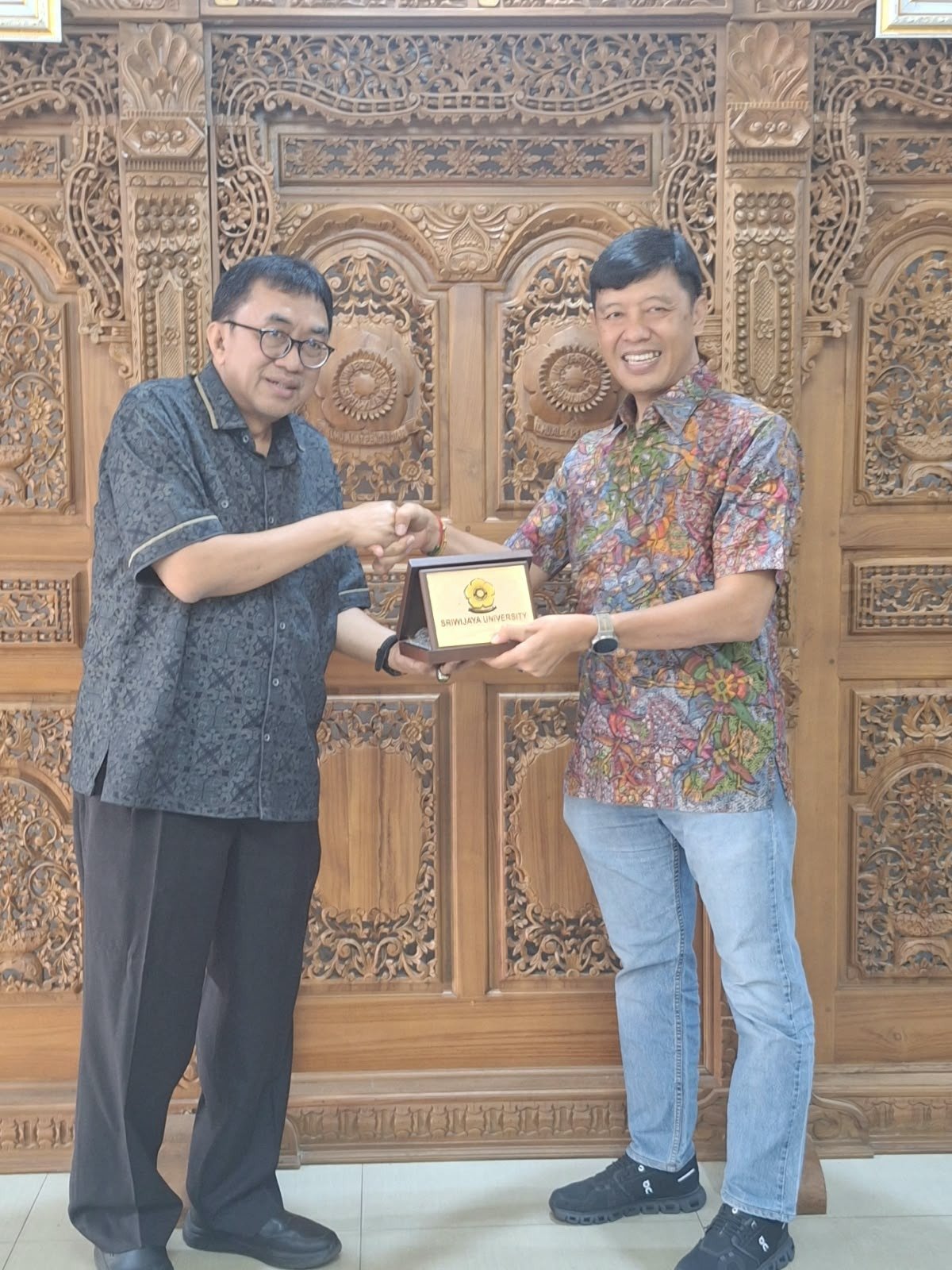
EduAsiaNews, Sumatra Selatan – Sriwijaya University (UNSRI) continues to strengthen collaboration with industry to develop highly skilled human resources, promote technological innovation and support sustainable development. This commitment was reflected in a visit by executives of agribusiness company First Resources Group to UNSRI to explore strategic collaboration opportunities with the university’s Faculty of Engineering and Faculty of Agriculture. The meeting took place at the KPA UNSRI Meeting Room on the Bukit Besar Campus in Palembang on Thursday (Oct. 8, 2026).
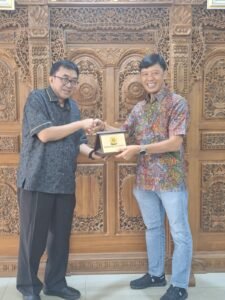
First Resources Group was represented by First Resources Ltd. Academy Director Benyamin Basuki Yulianto, accompanied by Senior Manager of Learning & Development (L&D) Pinondang Lindarto Simanungkalit and Recruitment Officer Josefhine Elisabeth Lumbantoruan.
The delegation was welcomed by UNSRI Vice Rector for Planning, Development and International Cooperation Prof. Dr. Eng. Ir. Joni Arliansyah, along with Faculty of Engineering Vice Dean III Dr. David Bahrin, S.T., M.T.; Faculty of Agriculture Vice Dean III Prof. Dr. Susilawati, S.P., M.S.; and representatives of UNSRI’s Alumni Subdirectorate and Cooperation Subdirectorate.
The meeting marked an initial step toward strengthening synergies between higher education and industry in support of Indonesia Emas and the achievement of the Sustainable Development Goals (SDGs). Discussions also highlighted the contribution of the palm oil industry to food and energy security, stronger supply chains, and efforts to ensure affordable cooking oil for the public through increased productivity, greater efficiency and sustainable industrial development.
During the meeting, both parties discussed a range of potential collaborations, including human resource competency development, training and talent development, and aligning UNSRI graduates’ competencies with industry needs. The discussion also covered First Resources Group’s palm oil plantation and processing operations in its areas of operation, including Riau and Kalimantan, from plantation activities and processing operations to technology utilization and downstream product development.
Technological innovation was another key focus of the proposed collaboration. UNSRI and First Resources Group identified opportunities to work together on environmentally friendly technologies, the application of green technology and improvements in production efficiency. They also explored ways to draw on the expertise of UNSRI lecturers and researchers to address current and future industry challenges. Cross-disciplinary collaboration between the Faculty of Engineering and the Faculty of Agriculture is expected to create opportunities for applied research relevant to the needs of the palm oil industry.
As a university committed to producing competent and competitive graduates, UNSRI, through its Alumni Subdirectorate and Cooperation Subdirectorate, continues to foster productive relationships among students, alumni, academics and industry partners. Through these synergies, university learning is expected to become more closely aligned with real-world workplace needs while providing students and alumni with opportunities to develop their professional competencies.
Potential areas of collaboration with First Resources Group include impactful internship programs, the involvement of industry practitioners in teaching, industrial visits, campus recruitment, knowledge sharing, the exchange of expertise and potential scholarship opportunities for final-year UNSRI students.
Through this initiative, UNSRI and First Resources Group are expected to build a sustainable collaborative ecosystem that not only strengthens students’ and alumni’s readiness for the workforce but also promotes innovation, green technology development and the competitiveness of Indonesia’s agribusiness industry.
The visit concluded with a commitment to follow up on the collaboration opportunities discussed and translate them into concrete, sustainable programs.
This synergy represents a tangible step toward strengthening ties between higher education and the business sector while helping prepare Indonesia’s highly skilled talent to address industrial challenges, support sustainable development and advance the nation’s vision of Indonesia Emas 2045.
(DKIA Release/Ara_Humas)