




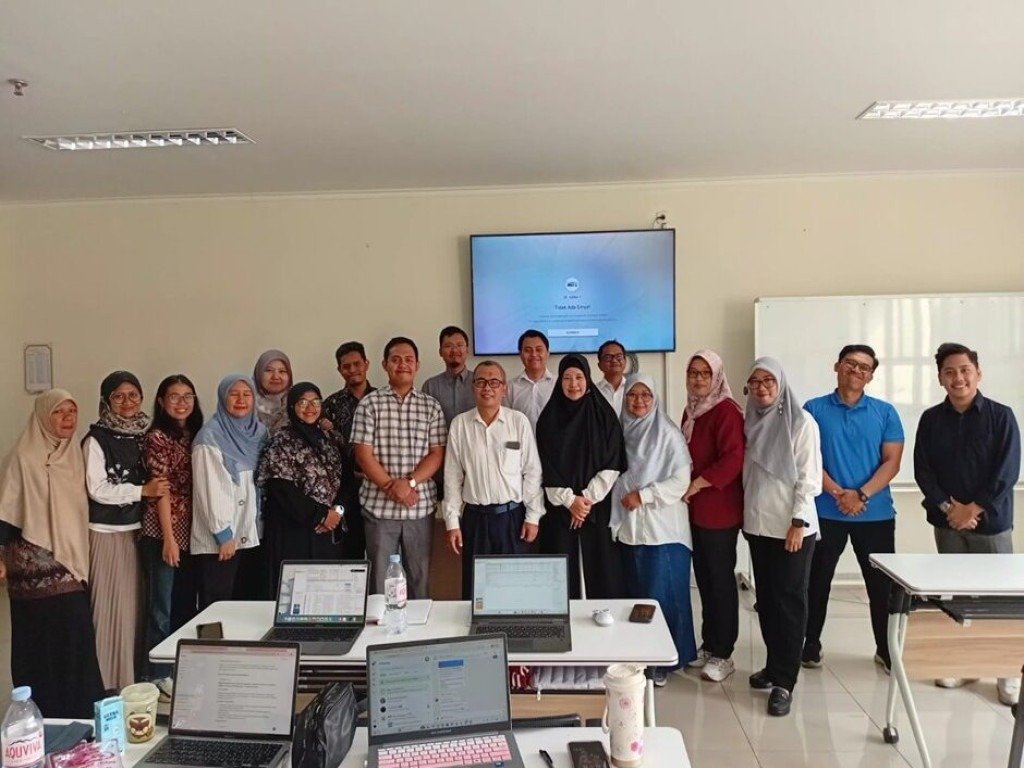
EduAsiaNews, Malang – The Graduate School of Universitas Negeri Malang (UM), through its Doctoral Study Program in Primary Education, is committed to enhancing its academic competitiveness internationally. As part of this strategic effort, the institution held a Teaching Practitioner session titled “From Research to Global Impact: Effective Strategies for Scopus-Indexed Journal Publications.”
The program was designed to strengthen evidence-based doctoral research capacity in response to the growing need for advanced students to disseminate their research findings through internationally recognized platforms, contributing to the continued advancement of knowledge.
Objectives
The activity aimed to provide students with technical guidance on navigating the international academic publishing landscape. Specifically, the program was designed to examine systematic steps for identifying valid references, preparing high-quality manuscripts, and understanding the rigorous criteria for Scopus-indexed journals, thereby enhancing the university’s research profile.
Methodology
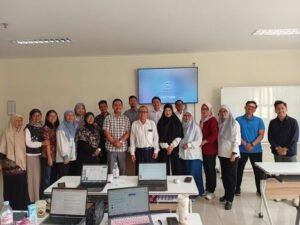
The intensive training was held on Oct. 12, 2026, at Building A21 of UM’s Graduate School in Malang. The session lasted three instructional hours and adopted an interactive workshop format.
The activities included in-depth presentations, manuscript review sessions, and technical discussions on the effective use of Scopus for searching academic references.
Results
The activity involved two faculty mentors and one expert practitioner, with 15 doctoral students in Primary Education actively participating.
The reported outcomes included a significant improvement in students’ technical understanding of academic publishing. The workshop also resulted in draft publication plans from all participants, which are expected to help accelerate their progress toward graduation.
Prof. Dr. Toto Nusantara, M.Si., coordinator of UM’s master’s and doctoral programs in Primary Education, said: “This Teaching Practitioner program is a tangible manifestation of UM’s efforts to build an inclusive academic ecosystem. Collaboration with internationally reputable reviewers ensures that students are exposed to global research quality standards as part of our commitment to providing affordable educational services for high-quality doctoral candidates.”
Contributions to the Sustainable Development Goals (SDGs)
The Teaching Practitioner program organized by UM’s Graduate School through its Doctoral Study Program in Primary Education supports the Sustainable Development Goals (SDGs), particularly SDG 4 (Quality Education) and SDG 17 (Partnerships for the Goals). It does so by strengthening doctoral students’ academic capabilities and fostering collaboration between higher education institutions and international academic publishing practitioners.
SDG 4 – Quality Education
SDG 4 aims to ensure inclusive, equitable and quality education and promote lifelong learning opportunities for all.
The program is particularly relevant to Target 4.3, which seeks to ensure equal access for women and men to affordable and quality technical, vocational and tertiary education, including university education. Its contribution includes providing academic development support for doctoral students to help them understand international publication standards, select suitable Scopus-indexed journals, and develop high-quality academic writing skills.
The activity also relates to Target 4.4, which aims to increase the number of young people and adults with relevant skills for employment, decent jobs and entrepreneurship. In doctoral education, research proficiency, scientific information literacy, academic communication and international publishing are professional competencies that support career development as lecturers, researchers and academics.
In addition, the program is relevant to Target 4.c, which seeks to substantially increase the supply of qualified teachers. By strengthening the academic and professional competencies of doctoral students who work or are preparing to work as educators, the activity contributes to this objective.
SDG 17 – Partnerships for the Goals
SDG 17 emphasizes cooperation and knowledge exchange among stakeholders to advance sustainable development.
The program is particularly relevant to Target 17.16, which seeks to strengthen global partnerships for sustainable development through multi-stakeholder cooperation in sharing knowledge, expertise, technology and resources.
This contribution was reflected in the involvement of Dr. Rivan Gestiardi, M.Pd., an external practitioner and reviewer at Springer Nature, who shared professional insights into editorial processes, article-writing strategies, the use of the Scopus database, and international publication quality standards.
The activity also aligns with Target 17.17, which encourages effective partnerships among the public sector, private sector and civil society. Collaboration between UM’s Graduate School and a practitioner experienced in international publishing represents an opportunity to strengthen academic networks and develop ongoing initiatives, including publication mentoring, academic writing clinics and research capacity-building partnerships.
Through its alignment with SDGs 4 and 17, the Teaching Practitioner program not only supports doctoral students in developing their academic publishing skills but also strengthens research culture, higher education quality and partnerships based on knowledge exchange. These efforts are expected to increase the contribution of research by UM’s doctoral students in Primary Education to the development of educational scholarship at both national and international levels.
Challenges and Recommendations
The main challenge identified was the rigorous editorial screening process for Scopus-indexed journals, which requires considerable care and persistence during manuscript revision.
To address this challenge, UM is advised to organize regular article mentoring clinics every semester to help ensure that manuscripts prepared by students progress toward publication consistently.