





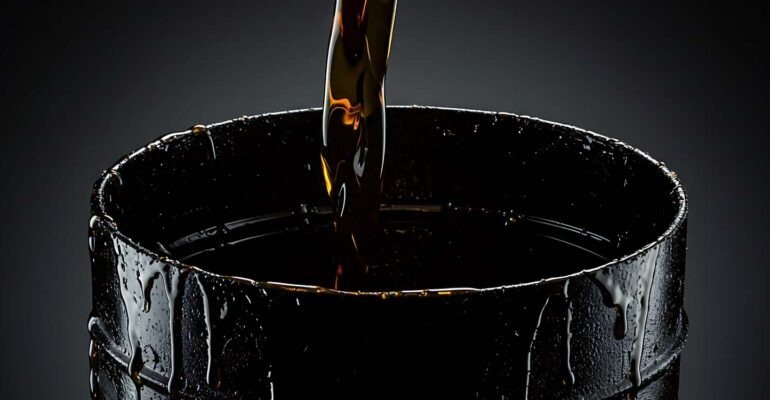
EduAsiaNews, Bogor – The discourse surrounding the legalization of diesel fuel derived from plastic waste presents new opportunities for both waste management and the provision of alternative energy sources in Indonesia. According to IPB University expert Leopold Oscar, plastic waste can indeed be scientifically converted into liquid fuel through pyrolysis technology.
Pyrolysis is a thermochemical decomposition process in which materials are broken down at high temperatures under conditions with little or no oxygen. Through this process, plastics are converted into various products, including gases, liquids, and solid residues. The resulting liquid products have the potential to be developed into fuel, although further processing is still required.
“The characteristics of pyrolysis oil are highly dependent on the type of plastic used as feedstock,” explained Dr. Leopold.
He noted that plastics such as polyethylene (PE) and polypropylene (PP) tend to produce hydrocarbon compounds that are more suitable for fuel applications. In contrast, other types of plastics, such as polyethylene terephthalate (PET) and polyvinyl chloride (PVC), generate compounds that are corrosive or may pose environmental concerns, making them less suitable as potential fuel sources.
In addition to the type of plastic, product quality is also influenced by various process parameters, including operating temperature, heating conditions, catalyst utilization, and feedstock pre-treatment. Consequently, Dr. Leopold emphasized that pyrolysis oil cannot yet be used directly as commercial diesel fuel. It must undergo further refining, distillation, and cracking processes to meet diesel fuel quality standards.
“If this product is eventually marketed to the public, quality and safety must be the top priorities. Consistent measures are required, ranging from feedstock selection and production process control to final product quality testing. At the same time, Indonesia needs clear regulations governing feedstock standards, production processes, and the quality of the resulting products,” he stated.
From an environmental perspective, converting plastic waste into fuel could serve as an alternative solution for reducing the accumulation of non-biodegradable waste. This approach is also aligned with the principles of the circular economy, as it creates added value from waste materials that would otherwise remain unused.
Nevertheless, Dr. Leopold stressed that this technology must be viewed comprehensively. The primary challenges at present include improving process efficiency, ensuring economic feasibility, and guaranteeing environmentally safe operations.
“Looking ahead, converting plastic waste into fuel holds considerable potential as a solution for waste management, particularly as long as energy demand continues to rely on fossil resources. However, since plastic pyrolysis products can also be utilized for non-fuel applications, their role should continue to be evaluated as renewable energy utilization advances in Indonesia,” Dr. Leopold concluded.