




EduAsiaNews, Jakarta — Environmental education is essential to raising public awareness and preventing forest and land fires in Indonesia, the Ministry of Forestry has said, emphasizing the need for communities, schools and families to play a greater role in fire prevention.
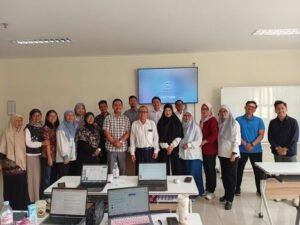
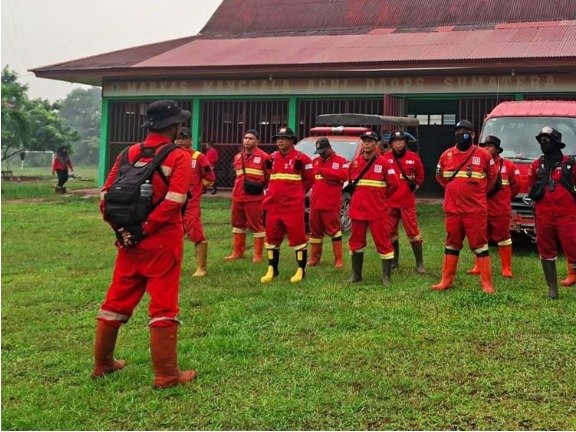
Vice Forestry Minister Rohmat Marzuki said local communities were important partners in detecting potential fires early. The ministry has strengthened the capacity of community-based forest fire prevention groups, forest farmer groups, Indigenous communities and volunteers through patrols, training on fire-free land management and early reporting mechanisms.
“Communities understand local conditions and are important partners in detecting fire threats at an early stage,” Rohmat said in a ministry statement on Wednesday (Oct. 21).
Environmental education can be integrated into school lessons and community activities to help people understand the consequences of forest and land fires, including ecosystem degradation, air pollution and climate change. Students and residents should learn how to identify fire risks, report incidents to the authorities and protect themselves from danger. Large fires, however, should be handled by trained personnel.
The ministry reported that Indonesia had 14,040 members of Masyarakat Peduli Api (MPA), or community fire-awareness groups, across 34 provinces. It aims to establish 500 sustainable MPA groups in 2026. As of Oct. 21, 119 groups had been established, while 61 others were still in the process of formation. The ministry also targets 320 villages for fire-prevention activities. These groups can serve as community learning platforms through training, patrols, public education and coordination with relevant authorities.
Forest fires also threaten wildlife and public health. According to ministry data recorded through Oct. 8, 2026, authorities had handled 290 wild animals, including 96 orangutans and 78 proboscis monkeys, locally known as bekantan. Smoke from fires can also harm human health, particularly that of children and other vulnerable groups. Environmental education, therefore, needs to cover wildlife habitat protection, ways to reduce exposure to smoke and appropriate responses during fire incidents.
The ministry’s approach highlights the importance of combining education with community participation, consistent law enforcement and practical action. Families can teach children not to start fires, schools can organize environmental projects, and villages can strengthen monitoring and reporting systems. By making fire prevention part of everyday practice, Indonesia can build a stronger culture of shared responsibility for protecting forests, wildlife and public health. (**)