




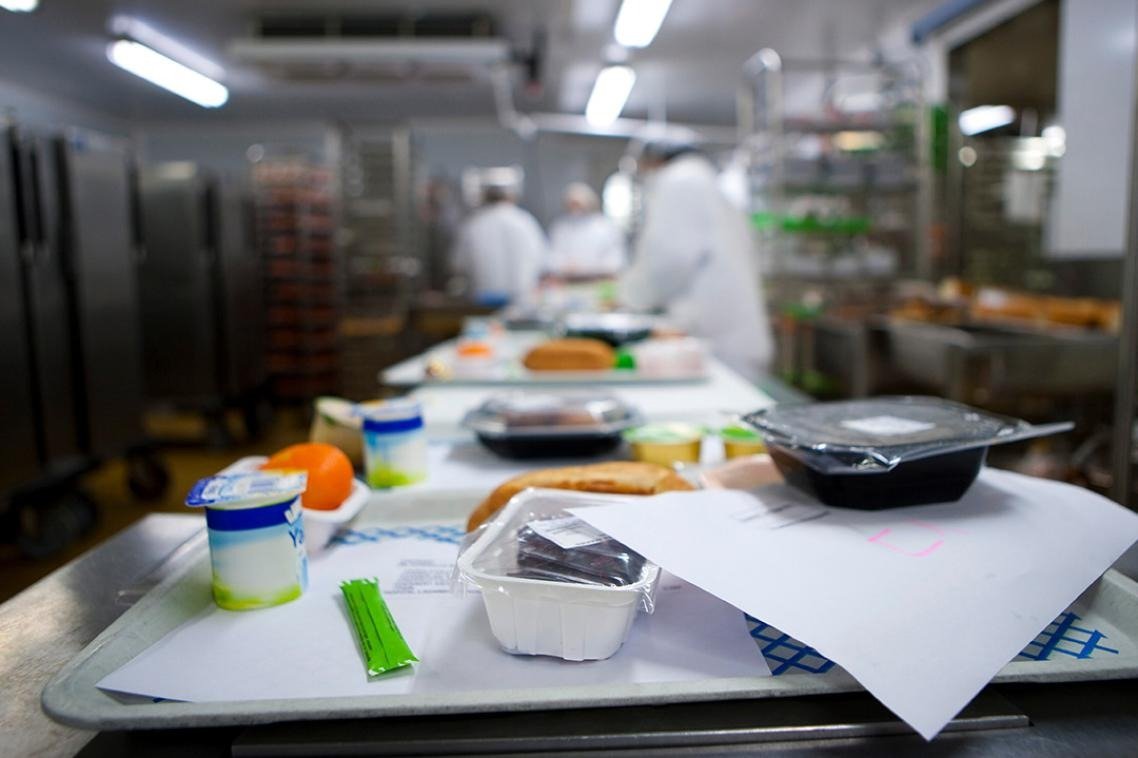
EduAsiaNews, Australia – A University of Queensland (UQ) researcher, Dr. Nathan Cook from the School of Human Movement and Nutrition Sciences, highlights that Australian hospitals and aged care facilities waste significant amounts of food, with up to half of hospital waste being food and 23–50% of meals in residential aged care being discarded.
Dr. Cook observed that much of the food served goes uneaten, leading to unnecessary labour, cost, and environmental impact. He emphasizes that reducing food waste not only saves money but also cuts greenhouse gas emissions, lowers disposal costs, and ensures patients receive meals they actually want to eat.
Currently, most food waste audits in hospitals are manual and sporadic, often relying on student placements. Dr. Cook argues that measuring waste accurately is key to implementing effective solutions, such as flexible portion sizes, more meal choices, and adjusted mealtimes.
He sees AI-based technologies as a promising solution, enabling fast, accurate, non-disruptive measurement of plate waste. Case studies overseas show that auditing and adjusting meals can save hundreds of thousands of dollars annually on food purchasing, preparation, and disposal.
Dr. Cook calls for adopting innovative auditing practices in Australia to create a cycle of measurement and improvement, contributing to the national goal of halving food waste by 2030. His research is published in Frontiers in Nutrition, co-authored with Dr. Karly Bartrim (UQ), Dr. Kate Sansome (Adelaide University), and Dr. Jorja Collins (Monash University).