




EduAsiaNews, Jakarta — Experts have underscored the importance of science-based and easily understood communication in strengthening public participation in environmental conservation. They said approaches that take social and cultural conditions into account, supported by exemplary conduct, were essential to translating sustainability knowledge into everyday practices.
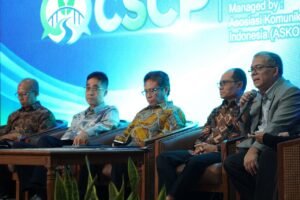
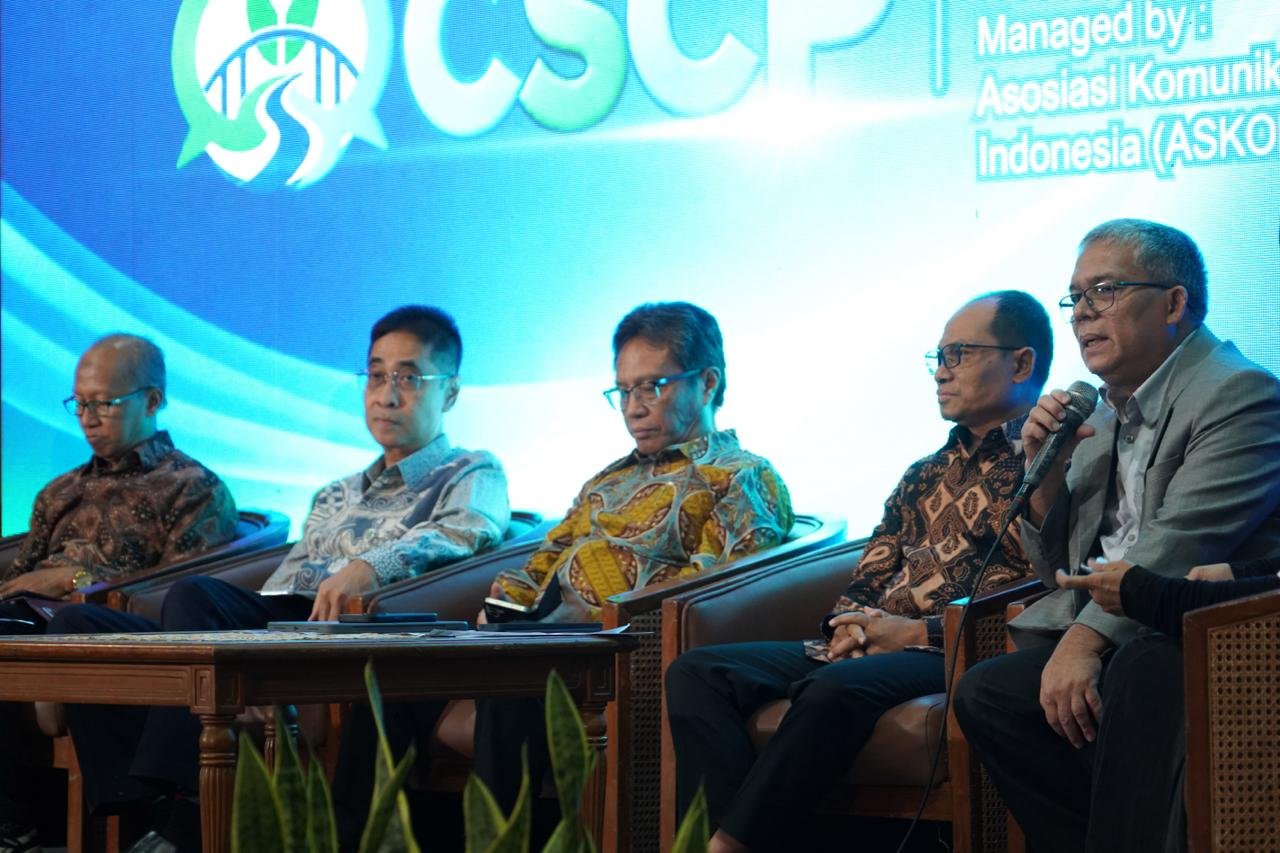
The views were expressed at the first Sustainability Communication Expert Dialogue, which also marked the launch of the Center for Sustainability Communication and Policy (CSCP) Indonesia at the Manggala Wanabakti building of the Forestry Ministry in Jakarta on Wednesday (Nov. 4). The forum explored the relationship between science, policy and public understanding in encouraging sustainable action.
Senior Adviser to the Forestry Minister Dr. Bambang Soepijanto emphasized that evidence-based communication and active public engagement were essential to the success of forestry policies and environmental conservation efforts.
“Therefore, the success of communication should be measured by whether it fosters public understanding, capacity and participation in protecting forests,” Bambang said in his keynote address.
He said communication should be integrated into every stage of policymaking, from identifying problems and formulating policies to implementation and evaluation. This process provides opportunities to listen to public concerns, gather input and improve policies. Information that is easy to understand and relevant to conditions on the ground can also help strengthen public trust.
Former rector of the National Development University (UPNVJ) Veteran Jakarta for the 2022–2026 term, Prof. Anter Venus, highlighted how sustainability was still often perceived as an abstract concept that was difficult to relate to everyday life. He stressed the need for environmental messages that resonate with people’s experiences.
“Communication strategies must therefore be developed by taking into account the social and cultural context, as well as people’s levels of understanding,” Venus said.
He cited the behavior of some people who continue to dump waste into rivers as an example. “The prohibition against dumping waste into rivers needs to be accompanied by an explanation of its consequences. Simply putting up warning signs is not enough,” he said.
Rector of the Indonesian International Islamic University (UIII) Prof. Jamhari Makruf emphasized the importance of incorporating religious perspectives and local wisdom into environmental communication.
He said various religions taught the importance of preserving nature. Similar values were also embedded in the traditions of Indigenous peoples and local communities, including through customary rules and sanctions against environmentally destructive practices.
Jamhari said the challenge was to encourage religious leaders to translate religious teachings and local wisdom into environmental conservation messages and initiatives that were relevant to the communities they served.
Director of the University of Indonesia’s School of Sustainable Development (SPPB), Prof. Supriatna, said environmental sustainability was closely linked to human behavior in utilizing and managing natural resources. Protecting the environment therefore required behavioral changes supported by shared understanding and awareness.
“Communication plays a role in disseminating knowledge and raising awareness, but it must be accompanied by exemplary conduct and concrete examples from leaders, the government and stakeholders,” Supriatna said.
Bambang expressed hope that CSCP Indonesia, managed by the Indonesian Sustainability Communication Association (ASKOMKI), would serve as a platform for bringing together scientific knowledge, policymaking and practical experience on the ground. Collaboration among the government, academics, businesses, media organizations and communities was also essential to supporting Indonesia’s FOLU Net Sink 2030 target.
“Follow-up initiatives could include joint studies, sustainability communication training, the development of public education materials and the establishment of regular knowledge-sharing forums,” he said. He stressed that each initiative should have clearly defined responsibilities, targets and evaluation mechanisms.
The launch of CSCP Indonesia marks part of broader efforts to strengthen the relationship between science, policy and society through sustainability communication. Managed by ASKOMKI, the center is expected to support public education and cross-sector collaboration in promoting concrete action to protect the environment and improve public welfare (**).