




EduAsiaNews, Jember – Universitas Jember (UNEJ) has strengthened its presence on the international academic stage by hosting an international conference on agriculture and life sciences, bringing together researchers and experts from nine countries to discuss sustainable agricultural innovation and global food security.
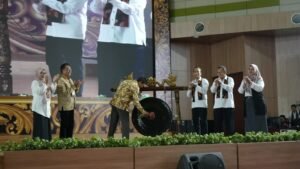
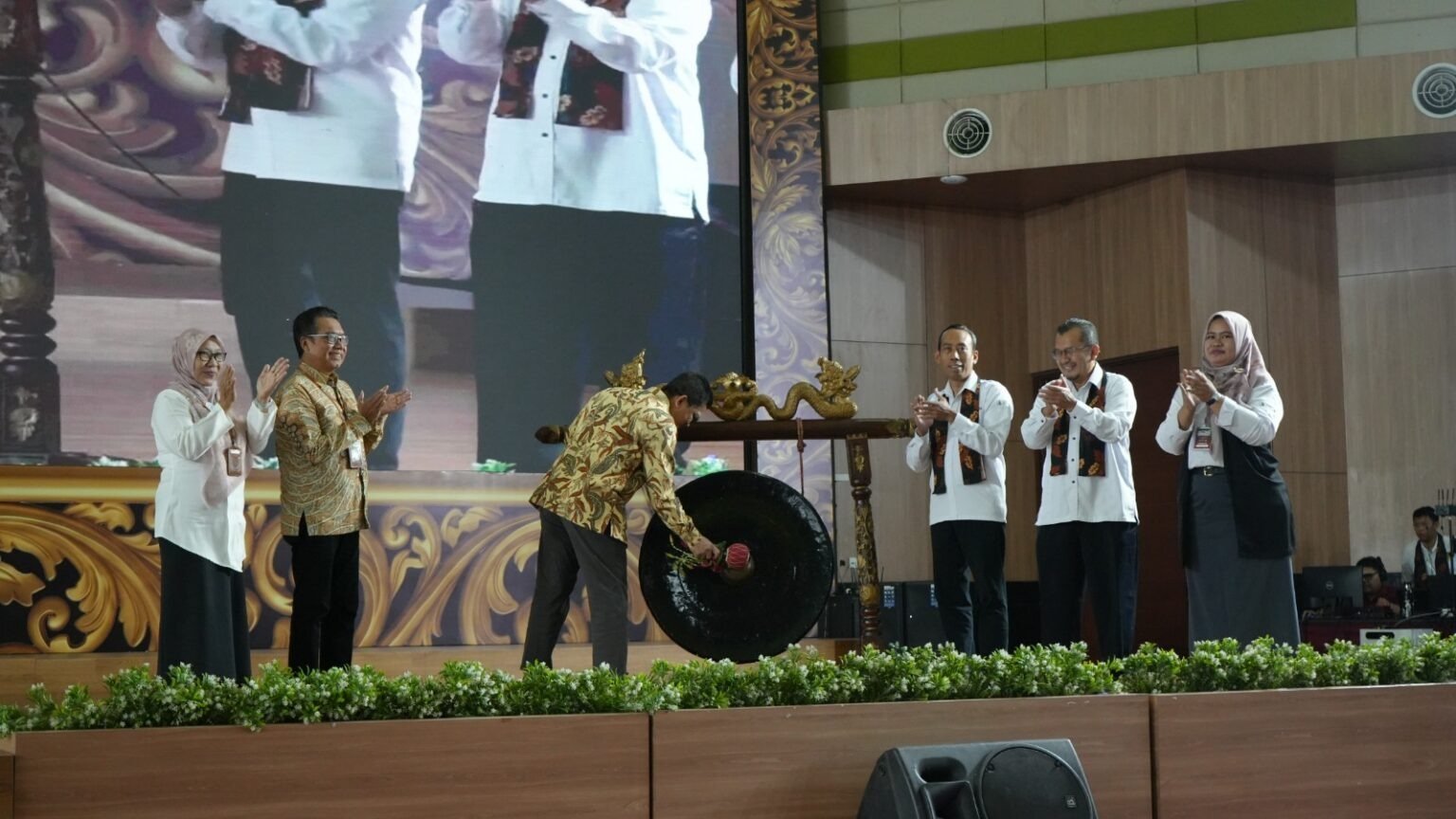
Held under the theme “Innovating Industrial Agriculture for Sustainability, Resilience and Global Food Security,” the 7th International Conference on Agriculture and Life Sciences (ICALS) and the 11th International Conference on Food, Agriculture and Natural Resources (FANRes) formed part of UNEJ’s 62nd anniversary celebrations, reinforcing the university’s commitment to academic excellence.
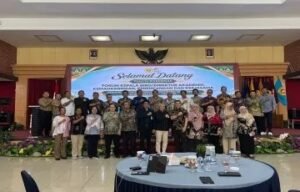
The event, held at the UNEJ Auditorium on Thursday (Nov. 5, 2026), brought together 162 participants from nine countries, including Thailand, Japan, South Korea, France, Nepal, Pakistan, Algeria and Indonesia.
The prestigious international conference was designed as a multidisciplinary platform for researchers, academics, practitioners, policymakers and industry stakeholders to share knowledge, exchange ideas and present the latest research findings.
The program featured an opening session, presentations by international experts, parallel oral presentations and a special IPSAGRI workshop. The workshop was divided into specific working groups aimed at strengthening rural development and building resilient, sustainable food systems.
Amid growing food security challenges driven by climate change, supply chain disruptions, population growth and limited natural resources, UNEJ Rector Dr. Iwan Taruna emphasized the importance of research directions and cross-disciplinary collaboration that deliver tangible benefits to rural communities and the national agroindustry.
He said that technological advances, including artificial intelligence, precision agriculture, biotechnology, sensors, automation and food processing, would not automatically translate into social progress unless they were designed to be affordable, economically viable, environmentally responsible and inclusive.
“Universities therefore have a major responsibility to bridge the gap between research and real-world needs through three key priorities: accelerating problem-oriented research, speeding up innovation and knowledge transfer, and expanding international cooperation to deliver concrete solutions for global food security,” he said.
The conference featured prominent experts and keynote speakers from leading international institutions, including Prof. Dr. Awang Ahmad Sallehin of Universiti Malaysia Sarawak; Dr. Orawan Srisompun of Mahasarakham University; Rajendra Aryal, FAO Representative and Country Director for Indonesia and Timor-Leste; Dr. Joon-Yung Cha of Gyeongsang National University; Prof. Toyoshi Yoshiga of Saga University’s Faculty of Agriculture; and Christian Cilas, a scientist at Cirad.
Their participation underscored the importance of international academic cooperation in advancing sustainable innovation.
UNEJ Faculty of Agriculture Dean Prof. M. Rondhi said the participation of experts from different countries reflected a shared commitment to strengthening academic collaboration, advancing scientific knowledge and developing innovative solutions to global challenges in agriculture, food security, life sciences and natural resource management.
He added that the conference was part of the university’s broader commitment to strengthening its international presence.
“This conference is part of the university’s commitment to realizing its vision of becoming a leading higher education institution in sustainable industrial agricultural innovation with international recognition,” he said.
In addition to providing a forum for research dissemination, ICALS 2026 also offered opportunities for researchers to publish their work in high-quality proceedings indexed by Scopus, including IOP Conference Series: Earth and Environmental Science, helping extend the reach and impact of their findings in the global scientific community.