




EduAsiaNews, Jakarta – Sustainability communication is increasingly important in bridging science, policy and public understanding as Indonesia faces mounting environmental challenges, participants at a forum in Jakarta said on Wednesday.
Accurate and accessible information is essential to raising public awareness, encouraging broader participation and promoting behavioral change in addressing climate change, deforestation, pollution and ecosystem degradation, they said.
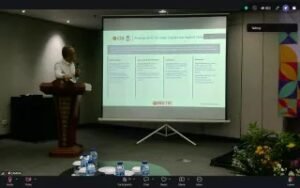
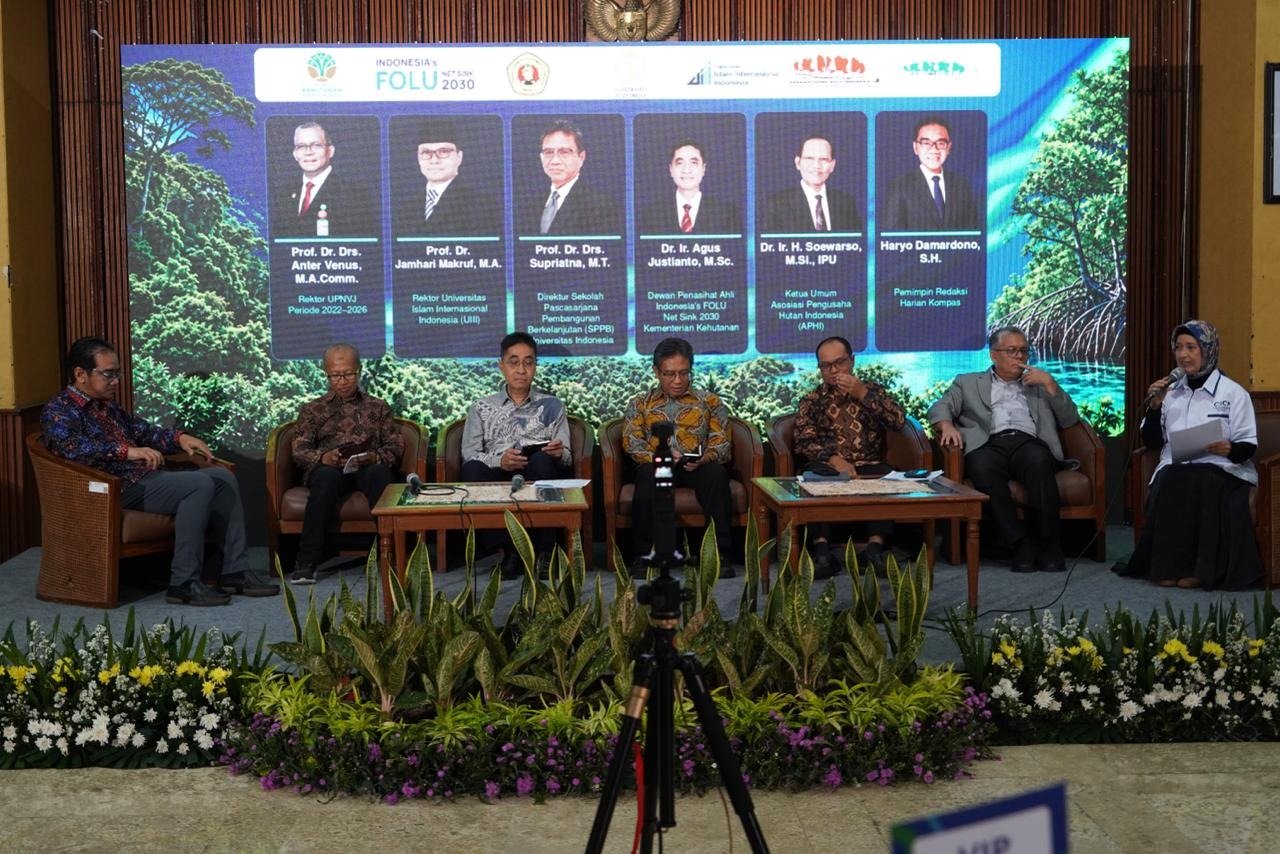
The issue was discussed at the Sustainability Communication Expert Dialogue, held at the Manggala Wanabakti building of the Forestry Ministry. The event brought together government officials, academics, diplomats, business representatives and media practitioners, while also marking the launch of the Center for Sustainability Communication and Policy (CSCP) Indonesia.
Among those attending were Bambang Soepijanto, chief adviser to the forestry minister; Anter Venus, rector of Veteran National Development University Jakarta (UPNVJ); Supriatna, director of the University of Indonesia’s School of Sustainable Development Studies (SPPB); Jamhari Makruf, rector of the International Islamic University of Indonesia (UIII); Agus Justianto, a member of the advisory board of Indonesia’s FOLU Net Sink 2030; Kompas editor-in-chief Haryo Damardono; and Soegijanto Soewandi, a representative of the Indonesian Forest Entrepreneurs Association.
Indonesian Ambassador to the United States Dwisuryo Indroyono Soesilo and Ristianto Pribadi, head of the Forestry Ministry’s Bureau of Public Relations and Foreign Cooperation, also shared their perspectives through video recordings.
CSCP Indonesia chair Trisia Megawati Kusuma Dewi said the center would serve as a think tank and collaboration platform for sustainability communication under the management of the Indonesian Sustainability Communication Association (ASKOMKI).
“The institution was established to bridge science, policy and society through science-based communication, particularly on environmental, social and governance (ESG) issues, disaster risk and community resilience,” she said.
Anter said environmental sustainability was often perceived as an abstract concept that was difficult to relate to everyday life. Communication strategies, therefore, needed to consider people’s social and cultural backgrounds as well as their levels of understanding.
He cited the example of people who continued to dispose of rubbish in rivers despite existing prohibitions.
“Banning people from dumping rubbish into rivers must be accompanied by an explanation of the consequences. Putting up a prohibition sign alone is not enough,” he said.
Jamhari highlighted the importance of social and cultural approaches, noting that various religions promote environmental protection. Similar values, he said, were also embedded in the traditions of indigenous and local communities, including customary rules and sanctions against those who damage nature.
The challenge, he added, was to encourage religious leaders to translate religious teachings and local wisdom into environmental messages and initiatives that reflected local conditions.
Agus said effective communication strategies were essential to achieving environmental sustainability in line with Indonesia’s FOLU Net Sink 2030 targets. Such strategies would help ensure that policies and programs to reduce emissions from the forestry and land-use sectors were understood and supported by the public.
Communication, he said, should go beyond conveying government targets to explaining their benefits and how the public could contribute to achieving them.
“Consistent implementation of strategies and programs, supported by collaboration among the government, businesses, academics, the media and the public, is essential to achieving these goals,” he said.
Supriatna said environmental sustainability was closely linked to how people utilized and managed natural resources. Protecting the environment, therefore, required behavioral changes supported by shared understanding and awareness.
“Communication helps disseminate knowledge and foster concern, but it must be accompanied by role models and concrete examples from leaders, the government and other stakeholders,” he said.
A Platform for Collaboration
Ristianto welcomed the establishment of CSCP Indonesia as a collaborative platform to strengthen communication on forestry policies.
He expressed hope that the center would become a strategic partner of the ministry in developing science-based public campaigns that were accessible and relevant to people’s daily lives.
Accurate and transparent communication that responded to public concerns was also essential to building public trust in the government, he said.
Meanwhile, Indonesian Ambassador to the United States Dwisuryo Indroyono Soesilo emphasized the importance of science-based sustainability communication in strengthening international partners’ understanding of and confidence in Indonesia’s development policies and practices.
Indonesia’s experience in managing natural resources and conserving biodiversity, he said, could provide a foundation for expanding cooperation with the United States in research, education, technology and capacity building.
He expressed hope that the dialogue would generate concrete policy recommendations, public education initiatives and international partnerships involving the government, academics, businesses, the media and the public. (**)