




EduAsiaNews, Jakarta – Brawijaya University (UB), together with State Islamic University (UIN) Maulana Malik Ibrahim Malang, has been selected as a pilot institution for the initial phase of a Corruption Eradication Commission (KPK) program aimed at strengthening integrity ecosystems and preventing gratification.
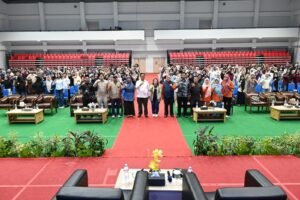
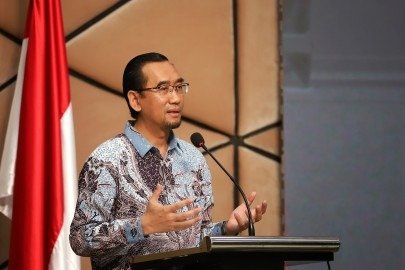
UB Rector Prof. Widodo, S.Si., M.Si., Ph.D., Med.Sc., welcomed the appointment while opening a workshop on developing gratification control programs in higher education institutions at the Algoritma Auditorium of UB’s Faculty of Computer Science in Malang, East Java, on Friday (Sept. 18, 2026).
“Higher education institutions face numerous challenges and temptations. Therefore, the KPK is guiding us in building a culture of integrity,” Widodo said.
He emphasized that strengthening integrity and professionalism was fundamental to the university’s continued development and its efforts to maintain public trust. Such a culture, he added, was also an important foundation for student character development, fostered through exemplary conduct across the academic community.
One particular challenge in the academic environment, he said, was the social practice of giving gifts as a token of appreciation, which could potentially constitute gratification if not properly managed.
“If the university develops a strong culture of integrity, we hope UB graduates will carry these values with them and uphold strong integrity in their own professional lives,” he said.
He added that efforts to establish a culture of integrity in higher education were closely linked to the process of developing students’ character.
Universities are responsible not only for producing academically competent graduates but also for shaping individuals who uphold honesty, responsibility and professionalism. These values are expected to guide students when they enter the workforce and engage with society.
“One way to provide a good education is by setting an example, so that students can look to us as role models,” Widodo said.
He said the example set by university leaders and the wider academic community played an important role in shaping students’ habits and creating a learning environment that helped develop their character before they entered the professional world.
“If the university fosters a strong culture of integrity, we hope our students, as future UB graduates, will follow that example and uphold strong character and integrity,” he said.
[Image: KPK Chairman Setyo Budiyanto]
KPK Chairman Commissioner General Setyo Budiyanto, S.H., M.H., who also attended the workshop, stressed the importance of making gratification control a priority for higher education institutions.
“Gratification can serve as a gateway to a wide range of other problems,” Setyo said.
He explained that gratification was often disguised as a simple token of appreciation. He therefore encouraged universities to establish digital-based gratification reporting systems that were easily accessible to members of the academic community.
Digital technology, he said, could make the reporting process more accessible, including for items such as food and beverages that may need to be reported.
“We are making the reporting system easier through digital reporting. For example, if someone receives food or beverages, they can report them through the system,” he said.
Through the workshop, UB and the KPK identified areas within the university environment that could be vulnerable to violations and developed early control mechanisms. The aim is to ensure that preventive measures are put in place rather than relying solely on action after a violation has occurred.
(RST/UB Public Relations/Trans. Iir)