




EduAsiaNews, Samarinda — The national webinar themed “Building Tolerance Literacy: Cultivating Harmony in Diversity, Strengthening Unity in Differences” not only presented academic perspectives on the importance of tolerance, but also highlighted the voices of young people actively involved in promoting peace literacy in East Kalimantan.
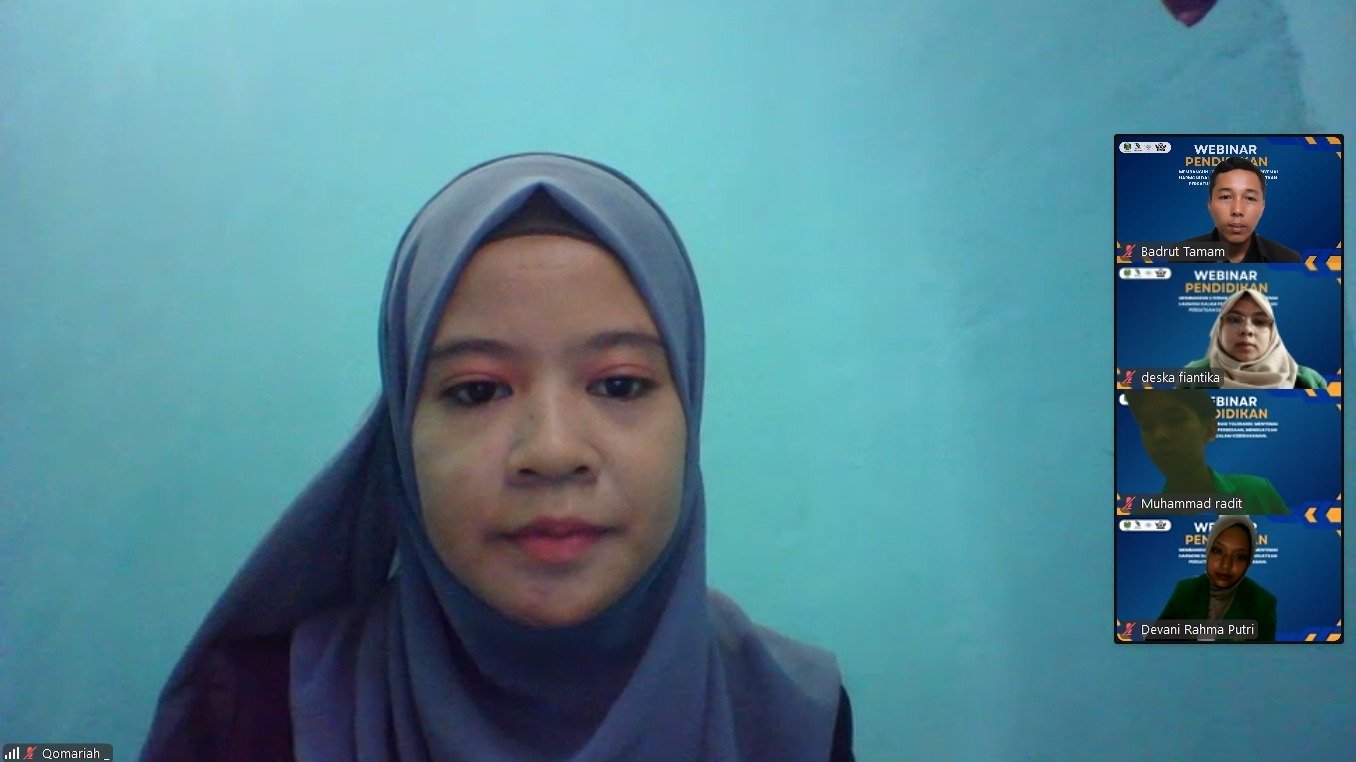
One of the speakers at the event was Qomariah, a tolerance literacy activist from Selerong Village, Muara Komam, Paser Regency, East Kalimantan. The student of the Islamic Guidance and Counseling Study Program at the Faculty of Ushuluddin, Adab, and Da’wah (FUAD) of UINSI Samarinda is widely recognized for her active involvement in various campus organizations and literacy communities.
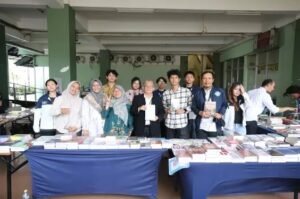
Qomariah currently serves as a board member of the Student Executive Council (DEMA) of UINSI Samarinda for the 2025 period. She is also actively involved in the JQH Student Activity Unit, the English Community Student Activity Unit, a member of MCF FUAD, and part of the Samarinda Book Party community.
In her presentation, Qomariah emphasized that Indonesia is a nation closely identified with the motto Bhinneka Tunggal Ika (Unity in Diversity), a national identity rooted in the country’s ethnic, cultural, linguistic, and religious diversity.
“Indonesia possesses a rich diversity in both culture and religion. Therefore, tolerance is not merely important, but serves as the foundation for maintaining national unity,” she stated.
According to her, tolerance literacy should not only be understood theoretically, but must also become a form of social awareness practiced in everyday life. She explained that tolerance literacy means the ability to understand differences, respect diversity, think critically, and avoid being easily provoked by divisive information.
“Tolerance literacy teaches us to understand differences without hatred, appreciate diversity without discrimination, and remain clear-minded amid the rapid flow of digital information,” she said.
Qomariah further explained that tolerance plays a crucial role in maintaining social harmony within a pluralistic society. Through a tolerant attitude, communities can prevent conflict and division, strengthen social empathy, and build healthy and harmonious social relationships.
She also highlighted the major challenges faced by young people in today’s digital era. According to her, while social media offers convenience in communication and access to information, digital platforms have also become spaces where hoaxes, hate speech, cyberbullying, and provocations that threaten social unity can spread rapidly.
“Social media can become a space for education, but it can also turn into a space for conflict if not used wisely,” she remarked.
For this reason, Qomariah encouraged young people to cultivate a culture of tolerance beginning with simple actions in daily life. She mentioned respecting others, being willing to listen to differing opinions, supporting one another, and practicing positive communication as important first steps toward building social harmony.
“Building tolerance does not have to begin with grand actions. It starts with the way we speak, respect our friends, listen to others, and refrain from judging too quickly,” she explained.
During the session, she also stressed the importance of Generation Z’s role as agents of peace in the digital era. According to her, young people hold a strategic position in creating healthier, more peaceful, and more productive digital spaces.
“Gen Z must be present as agents of peace. This can be done by spreading positive content, rejecting discrimination, refraining from spreading hate speech, and promoting calming and constructive narratives on social media,” she concluded.
Qomariah’s presentation received positive responses from webinar participants, including university students, school students, and literacy communities. Many participants considered her approach highly relevant to the social challenges faced by young people in the digital era.
The webinar was part of ongoing efforts to strengthen tolerance literacy and religious moderation promoted by the Literacy and Digital Media Center of UINSI Samarinda in collaboration with students and literacy communities across East Kalimantan. Through such initiatives, it is hoped that a generation will emerge that is not only academically competent, but also socially aware, tolerant, and capable of preserving unity amid the nation’s diversity.