




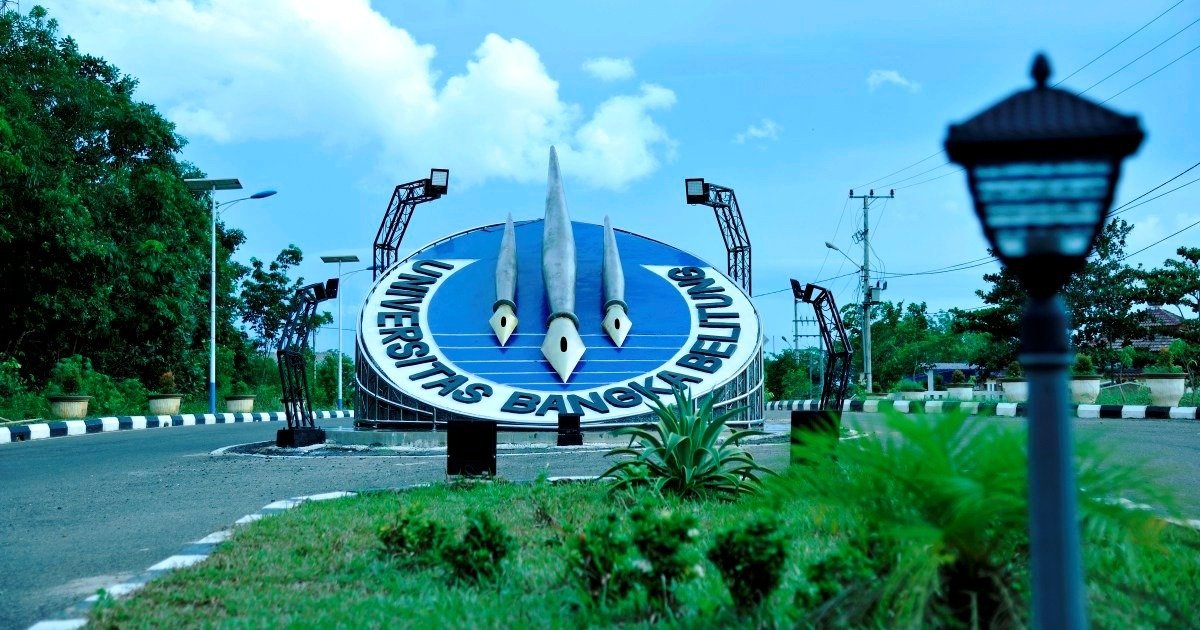
EduAsiaNews, Bangka — The National Research and Innovation Agency (BRIN), through its Center for Applied Zoology Research, has partnered with the Faculty of Agriculture, Fisheries, and Marine Science of the University of Bangka Belitung (UBB) to save Betta burdigala, a red endemic betta fish from Bangka Belitung that is now on the brink of extinction. This collaborative research focuses on domestication programs and population recovery in the species’ natural habitat, in response to the growing threats to the survival of this fish, which is found only in the Bangka Belitung Islands.
According to data from the International Union for Conservation of Nature (IUCN), Betta burdigala has been classified as Critically Endangered—the most severe status before total extinction. Similar conditions also threaten several other endemic Betta species in Bangka and Belitung, which fall under endangered to vulnerable categories. Pressure on natural habitats due to land conversion and mining activities is considered a major factor contributing to the drastic decline in these species’ populations.
The research lead from UBB, Ahmad Fahrul Syarif, explained that recovery efforts are being carried out directly in the natural habitat of Betta burdigala through domestication approaches and sustainable genetic management. This method is chosen to ensure that restored populations maintain healthy genetic diversity and remain adaptive to local ecosystem conditions, so that conservation success is not merely temporary but can be sustained in the long term.
The results of this research are expected to serve as a scientific reference for formulating national policies on the genetic conservation of Betta burdigala. Furthermore, the model developed through the BRIN–UBB collaboration is considered adaptable for monitoring genetic diversity and conserving other endemic fish species across Indonesia, marking a tangible contribution of the academic community in preserving the nation’s invaluable biodiversity. (**)