




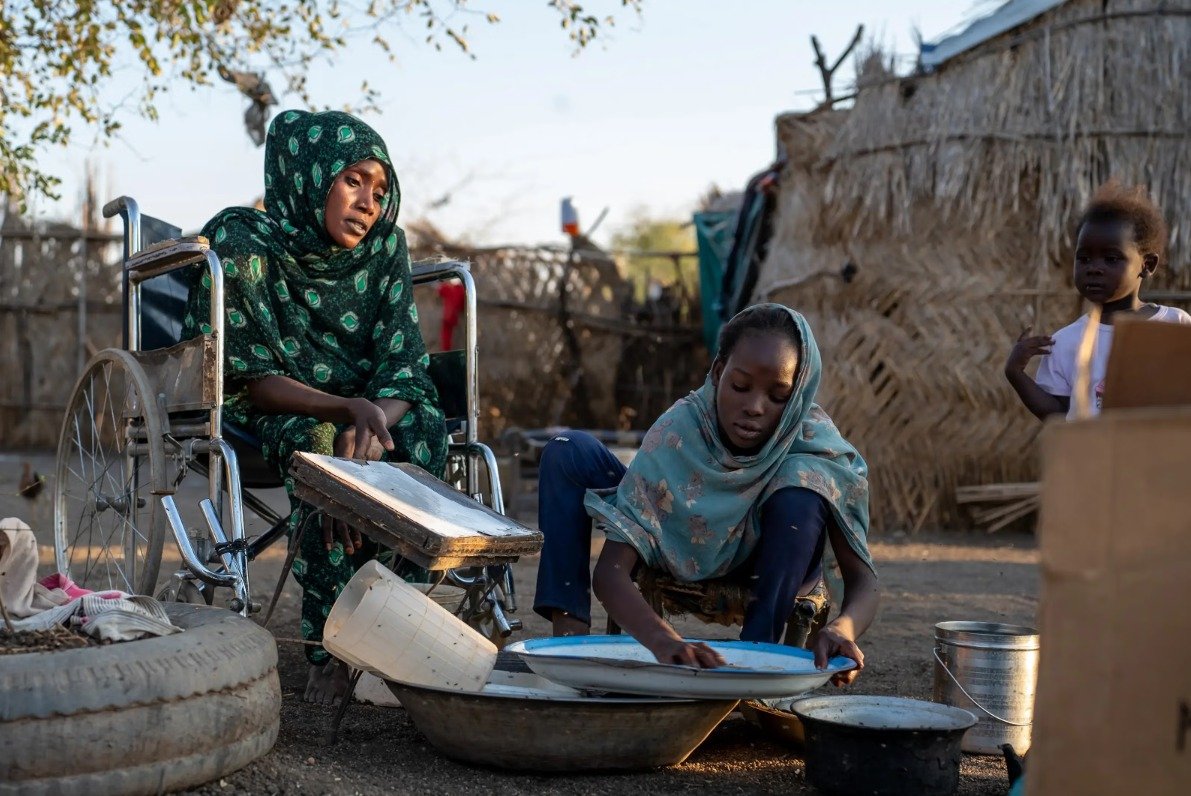
EduAsiaNews, Antalya – At least 1.5 billion women and girls, or more than one in three worldwide, live in climate hotspots where exposure to climate hazards, insecure work and deep gender inequality overlap, UN Women said on Tuesday.
The UN agency made the warning in a new fact sheet, Gender Equality in the Age of Climate Crisis, released on 10 November on the sidelines of the 31st UN Climate Change Conference (COP31) in Antalya.
The document says 73 percent of countries’ climate plans, known as nationally determined contributions, now acknowledge the gender-specific risks facing women and girls. However, only just over one in three address those risks comprehensively.
UN Women Executive Director Sima Bahous said women were already leading the fight for a better future, “in their communities, in laboratories, in parliaments and on the front lines of the climate crisis”. She called for giving women and girls equal rights, resources and the power to lead.
The agency said women and girls in the countries least responsible for the climate crisis were being hit hardest.
Under a worst-case scenario, up to 141 million additional women and girls could be living in extreme poverty by 2050, it said.
The gap also shows up in earnings. Based on data from 24 countries, each 1 degree Celsius rise in average temperature is associated with women losing 34 percent more of their total income than men. UN Women said this likely reflected women’s more limited ability to shift to non-farm work or migrate when harvests fail.
Climate change is also adding to women’s unpaid care burden. Of the 1.8 billion people without water on their premises, women are the primary water collectors in two-thirds of households, according to the fact sheet.
Violence is another concern. Across 14 countries, exposure to prolonged extreme drought was associated with 21 percent higher odds of sexual violence against adolescent girls and young women.
On energy, 326 million women and girls still lack access to electricity, while women hold just 12 percent of energy portfolios globally. The fact sheet also pointed to opportunities. With the right investments, women could secure up to 66 percent of net new green jobs, equivalent to 68 million additional jobs by 2035.
UN Women urged governments to expand gender-responsive climate finance, protect women environmental defenders and give women a real say in decision-making. It also called for the new Belém Gender Action Plan to be fully implemented and fully financed, so that political commitments on gender equality translate into real change. (*)