




EduAsiaNews, Yogyakarta – Universitas Muhammadiyah Yogyakarta (UMY), through its International Community Service team, successfully conducted a program titled “Enhancing AI Literacy for Officials and Businesses as a Foundation for Implementing Agile Digital Governance in Public Services.”
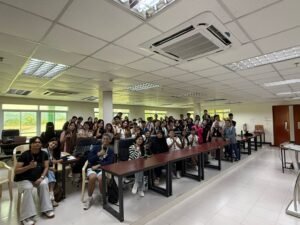
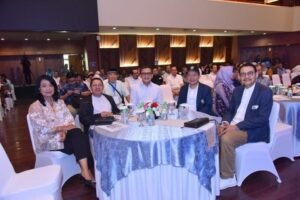
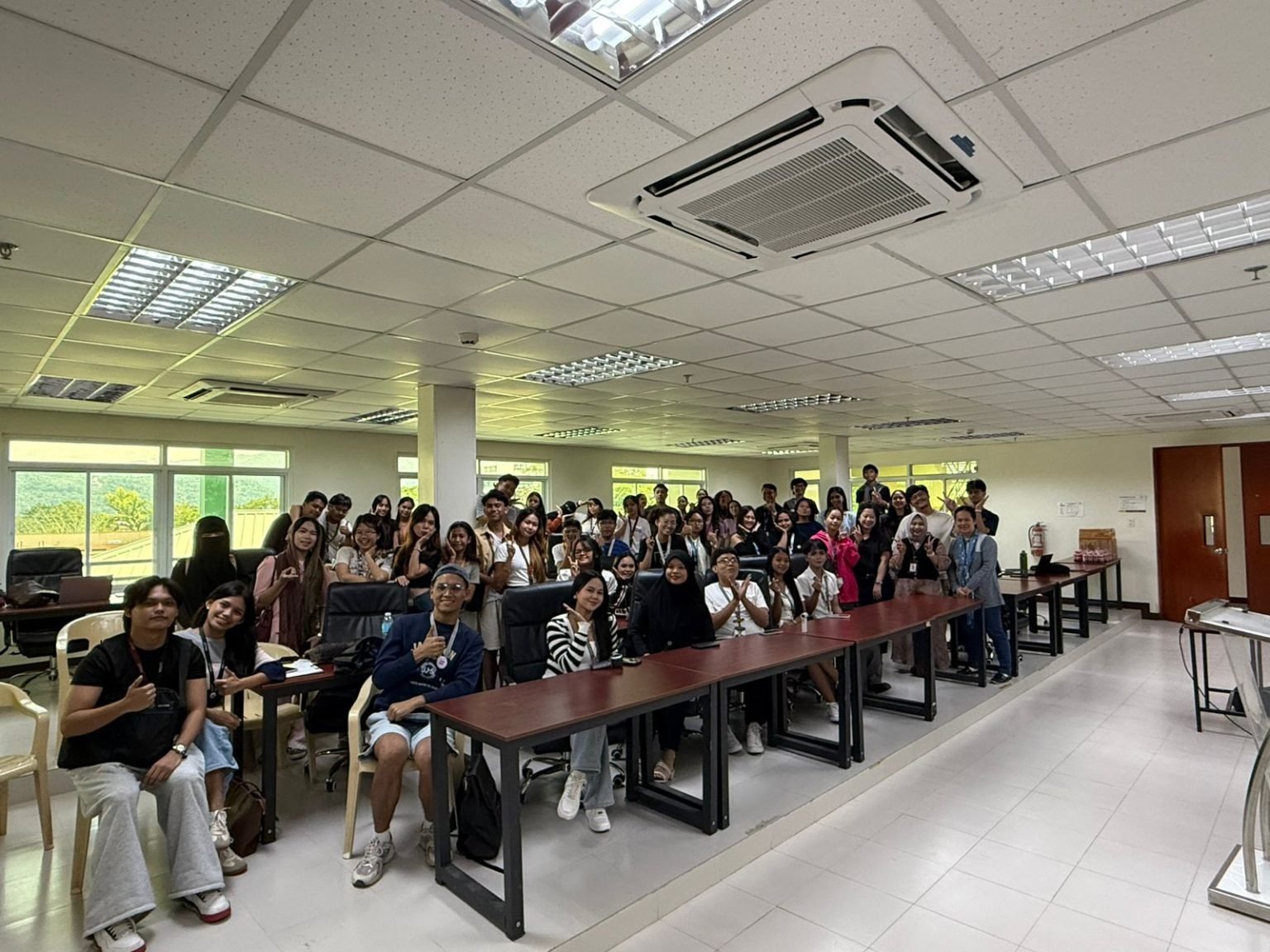
Held at the Colleges of Arts and Social Sciences, Mindanao, Philippines, on February 16, 2026, the program represents a tangible step by UMY in addressing the digital literacy gap across ASEAN. The initiative was led by Ratih Herningtyas, S.IP., M.A., supported by Helen Dian Fridayani, S.IP., M.I.P., Ph.D., in close collaboration with Sittie Nofaisah Pasandalan from Mindanao State University – Iligan Institute of Technology (MSU-IIT).
Toward Agile Digital Governance
Dr. Ratih Herningtyas explained that Mindanao was chosen due to the similarities in challenges faced by developing regions in Indonesia. Low technological literacy often hampers the realization of agile and efficient governance.
According to her, digital literacy gaps in Mindanao were not only technical but also conceptual, particularly regarding AI. Many participants previously viewed AI as too complex for everyday tasks.
“Our primary goal is to establish a foundation enabling public sector officials and MSMEs in Mindanao to adapt to the digital economy era. With strong AI literacy, they can significantly improve public service quality and business competitiveness,” Ratih stated.
The program is scheduled to run throughout 2026, with plans for sustainability mentoring and continued AI implementation support to ensure lasting impact beyond initial training sessions.
CBPT Method: From Theory to AI Practice
Unlike conventional training, the program applied a Community-Based Participatory Training (CBPT) approach. Participants, including local government officials and MSME entrepreneurs, were actively engaged in hands-on practice.
“The training covered cutting-edge AI tools such as ChatGPT, Google Gemini, and Microsoft Copilot. Participants also learned prompt engineering and AI-based service design techniques,” Ratih added.
A highlight was a chatbot development workshop led by trainer Aldryan Bagaskara Mahendro, designed to help automate administrative tasks and customer service for MSMEs in Mindanao.
Building an ASEAN Digital Ecosystem
Preliminary outcomes show impressive results, with participants demonstrating significant improvements in applying AI for business strategies and bureaucratic efficiency. Pre- and post-test results revealed a substantial increase in understanding, and participants reported enhanced confidence in navigating digital transformation.
“We aim for this impact to extend beyond the training itself. Collaboration with MSU-IIT ensures ongoing knowledge transfer. Our goal is to foster a more adaptive, inclusive, and future-oriented digital ecosystem across ASEAN,” added Helen Dian Fridayani, Ph.D.
Through outputs such as practical training modules, dissemination videos, and academic publications, UMY hopes this learning model can be replicated in other regions, while strengthening its role in educational diplomacy and international digital transformation.