


EduAsiaNews, Yogyakarta – The development of the tourism sector in Gunungkidul Regency has once again come under scrutiny following a firm statement urging the region not to grow by adopting the model of Bali. The statement was delivered by Sri Sultan Hamengku Buwono X during the inauguration of the Regency/City Chambers of Commerce (Kadin) across the Daerah Istimewa Yogyakarta on Sunday (15/2), amid increasing investment activity and the promotion of southern Yogyakarta’s coastal destinations.
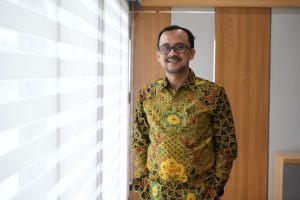
A lecturer in Government Studies at Universitas Muhammadiyah Yogyakarta (UMY), specializing in sustainable tourism policy, Sakir Ridho Wijaya, S.IP., M.IP., considers the statement to be a strategic warning in managing Gunungkidul’s tourism potential.
“When a region is developed as a tourist destination, it should not merely pursue rapid growth that is fragile and unsustainable—particularly if such growth does not generate positive impacts for local communities and the environment. This is not about being anti-investment, but about ensuring that growth remains controlled and delivers long-term benefits,” Sakir explained on Monday (23/2) at UMY.
According to him, each region possesses distinct characteristics that cannot simply be equated with other destinations. Attempts to standardize tourism concepts risk erasing a region’s authentic character. In the context of Gunungkidul, he emphasized the importance of spatial planning control and environmental management, particularly concerning karst areas and limited water resources—longstanding critical issues in the region.
He further stressed that tourist destinations must have a distinctive image and identity. “A destination must maintain its uniqueness. If it becomes standardized, where is its local identity? Visitors may question why they should travel all the way to Yogyakarta if the experience offered is identical to that of other places,” he remarked.
Preserving Local Identity
Sakir underscored that safeguarding local identity is key to Yogyakarta’s tourism competitiveness. The region’s strong and living cultural traditions serve as distinguishing features not shared by all tourist destinations. Therefore, environmental and cultural protection must form the foundation of any investment policy.
“Local identity is crucial because it serves as the primary differentiator. Environmental and cultural protection should be prerequisites for investment, not perceived as obstacles. Local governments need to establish clear boundaries regarding which areas may be developed and which must be preserved,” he asserted.
Given the special autonomous status of the Daerah Istimewa Yogyakarta, tourism development must remain aligned with the social and cultural character of its communities.
Within the framework of sustainable tourism, Sakir identified three principal aspects that must be strengthened: environmental sustainability, economic sustainability, and institutional governance. He emphasized that Gunungkidul must first clearly define the tourism identity it intends to build before more broadly opening opportunities for investment.
“The first element that must be firmly established is Gunungkidul’s local tourism identity. That is the primary requirement. In addition, sustainable economic development must be ensured. Local communities must not merely become spectators; they must genuinely benefit from the region’s natural tourism potential,” he concluded. (NF)