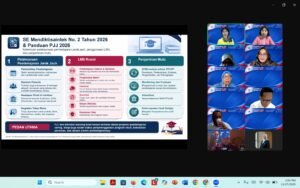




EduAsiaNews, Jakarta – The Indonesian Association of Communication Education Lecturers (ADPIKI) is urging stronger communication strategies in distance education to improve learning quality and student engagement, and to build a digital education ecosystem that is humane, inclusive and sustainable.
ADPIKI deputy chair for public communication Nindi Aristi, who is also dean of the Faculty of Communication Sciences at Padjadjaran University, said advances in digital technology have opened wider access to higher education. But the expansion of access must be matched by better communication and interaction between lecturers and students, she said.
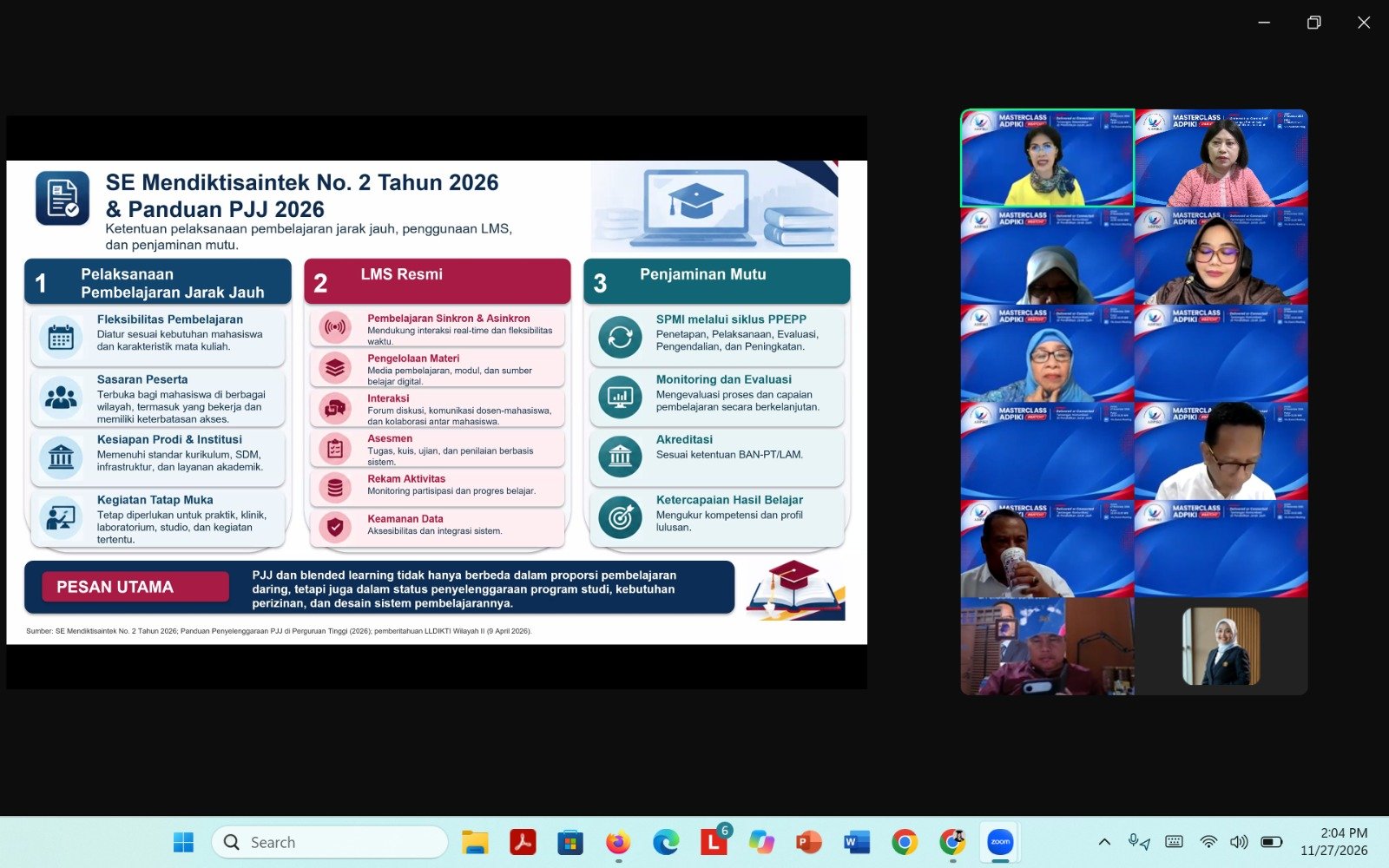
“The transformation of digital education is not only about using technology and easier access, but also about building communication that is effective, interactive and able to bring lecturers and students closer,” Nindi said at ADPIKI’s Master Class #7 on Friday.
Communication studies, she said, play a strategic role in supporting the transformation of higher education, particularly in developing teaching methods that adapt to technology without neglecting students’ social and psychological dimensions.
Nindi also stressed the need for collaboration among the government, universities, academics and other stakeholders to integrate communication strategies into distance education policy and practice in Indonesia.
“The success of distance education is measured not only by how widely education is available, but also by the quality of interaction, student engagement and the achievement of learning goals. This is where communication studies can make a real contribution to improving the quality of higher education,” she said.
Dian Budiargo, in a presentation titled “Delivered or Connected: Exploring Communication Strategies to Boost Presence and Engagement at Open Distance Learning,” said the challenge of distance education is no longer only about access but also about building connection between lecturers and students.
“Distance education has solved the problem of access, but not yet fully the problem of communication distance. The next challenge is ensuring students feel noticed, heard and supported throughout the learning process,” Dian said.
Citing UNESCO data, he said the number of higher education students worldwide reached 264 million in 2025, more than double the figure in 2000. Universitas Terbuka had 856,444 students in 2026. This shows the need for communication strategies that can reach students at scale without reducing the quality of learning interaction, he said.
Dian said one approach is verbal immediacy, a communication strategy to reduce psychological distance through personal and inclusive language, timely responses, empathy and dialogue that encourages participation.
“Communication in distance education is not enough if it only ensures that learning materials are delivered. Every interaction must also have relational value that builds trust, a sense of togetherness and student engagement,” he said.
He also stressed the importance of building social presence through affective expression, open communication and group cohesion. He offered five strategies: setting clear learning expectations, building personal communication, recognizing students’ contributions, developing continuous discussion and strengthening interaction among students.
Stronger communication strategies are an important part of meeting the challenges of higher education transformation in the digital era. By focusing on the quality of interaction and connection among participants, technology is expected not only to widen access but also to improve learning quality and student participation, and to help produce Indonesian human resources who are qualified and competitive.