




EduAsiaNews, Jember East Java – Diplomacy does not always begin in negotiating rooms, summits or political agreements. Sometimes a dish can open a conversation, introduce an identity and build closeness among peoples. Through food, a nation can be known and its culture appreciated.
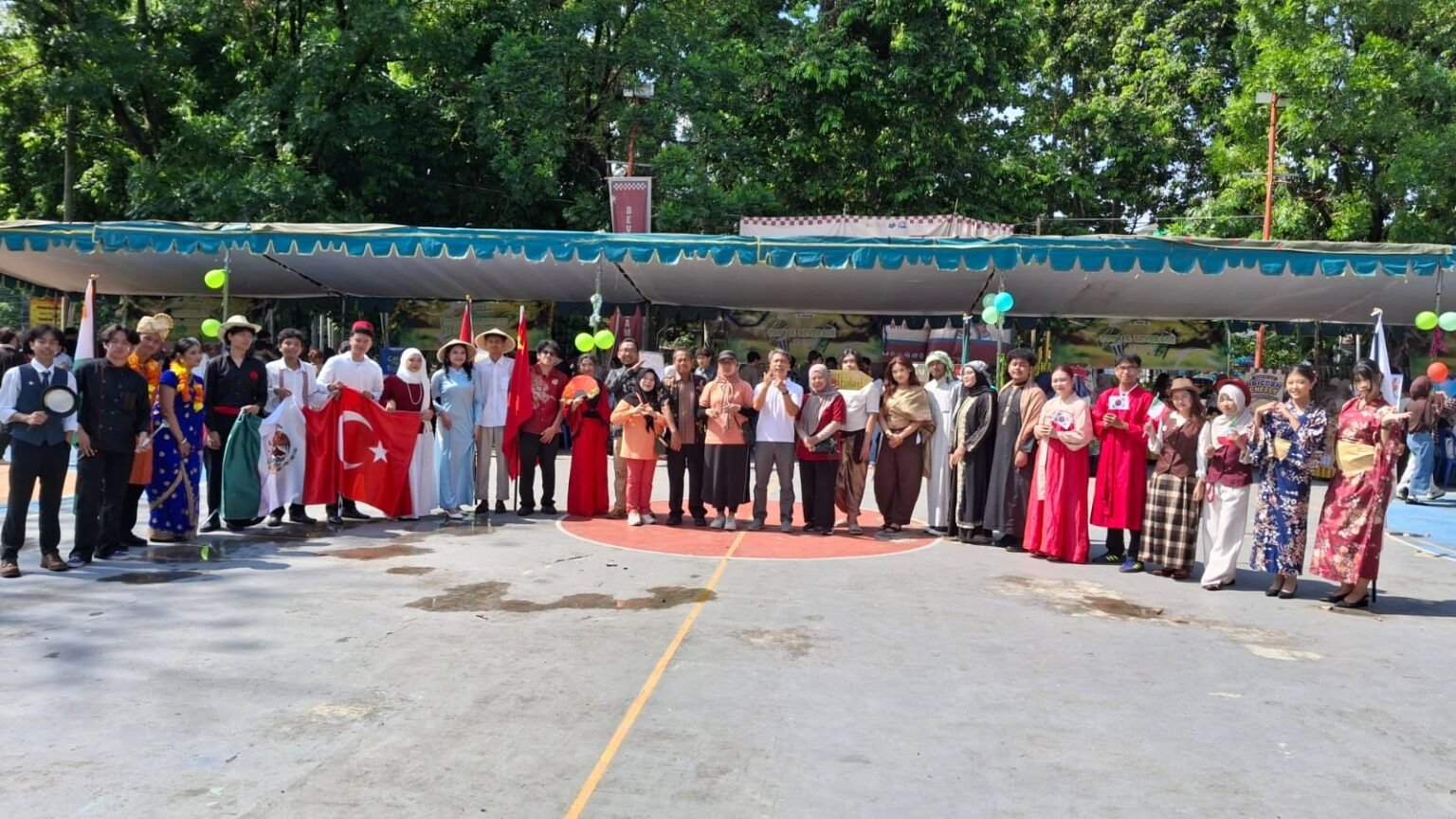
That idea was behind the International Food Festival, themed “A Taste of Nations, A Bridge Between Cultures,” organized by the international relations study program at the Faculty of Social and Political Sciences (FISIP) of the University of Jember (UNEJ) on Friday. The annual event is part of the gastrodiplomacy course and of the university’s anniversary celebrations this year.
Unlike typical food festivals, the event was designed as a space for learning cultural diplomacy. Students not only presented food from various countries but were also encouraged to understand how cuisine can represent a nation’s history, traditions, identity and image.
FISIP dean Suyani Indrastuti said the event is part of the gastrodiplomacy course and is linked to the university’s anniversary. “It is a form of creative learning that brings together academic knowledge and cross-cultural experience. Students get the chance to learn about the world’s diversity through an approach close to everyday life,” she said.
Agus Trihartono, one of the course lecturers, said the course is a distinguishing subject of the university’s international relations program. “Through gastrodiplomacy, students learn to see international relations from a broader perspective. Diplomacy does not take place only through formal negotiations and government-to-government relations. Culture, food and national identity also have the power to build relations among nations. This festival is a chance for students to understand and practice how cuisine can be an instrument of diplomacy,” he said.
Another lecturer, Abubakar Eby Hara, said the festival aims to show how several countries have succeeded in making food part of their national identity and diplomatic strategy. Japan with sushi, Vietnam with pho, Thailand with tom yum and Mexico with tacos are examples of dishes immediately associated with their countries of origin, he said. The same is seen in the cuisines of Türkiye, South Korea and Arab countries.
“The success of gastrodiplomacy is not merely because the food is delicious, as tastes are relative. There are cultural narratives and diplomatic strategies that make the food widely known. When a dish is mentioned, people can immediately recognize its country of origin. That is where cuisine works as both identity and a diplomatic instrument,” Eby Hara said.
He added that successful gastrodiplomacy has economic implications. When a country’s cuisine becomes known internationally, opportunities open up for the food industry, tourism, trade and other sectors, so gastrodiplomacy not only strengthens cultural image but can also bring economic benefits.
In Indonesia’s case, he said, the potential is huge. As an archipelagic country with diverse culinary riches, Indonesia has strong cultural capital to develop as a national identity on the world stage.
“Indonesia has extraordinary food riches. The challenge is how to build narratives and strategies so that Indonesian cuisine is known not only as delicious food but also as a national identity. We need to learn how other countries develop their gastrodiplomacy, then find an approach that suits Indonesia’s riches and character,” he said.
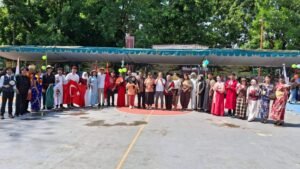
At this year’s festival, students presented cuisines from 11 countries and regions: Japan, Italy, South Korea, Arab countries, Thailand, China, France, Vietnam, Türkiye, Mexico and India. The dishes were prepared by students in three class groups, each responsible for introducing the cuisine and the cultural story of the country it represented.
For students, the event was a learning experience that enriched their knowledge and opened space for interaction with and appreciation of other cultures. Benedicta, an international relations student, called it an intercultural event that offered a different learning experience.
“This annual event is one way for international relations students to get to know other nations’ cultures through their national cuisines. We learn that food is not only something to consume but also carries the stories, traditions and identity of the people who create it,” she said.
The course is taught by Agus, Eby Hara and Akhmad Ismail, who have developed gastrodiplomacy as a way to link international relations theory with the practice of cultural diplomacy.
The festival reflects the idea of “Winning Hearts and Minds through National Cuisine.” In an increasingly connected world, a country’s strength is determined not only by its economic, political and military capacity. The ability to build cultural appeal, earn trust and create closeness with people worldwide is also an important part of international influence.
The festival also served as a reminder that Indonesia has a big task in introducing its culinary riches to the world in a more focused way. The diversity of food from different regions is not merely a heritage of tradition but a cultural resource that can strengthen national identity and open economic opportunities.