




EduAsiaNews, Surabaya — Palm oil plantations in Papua, which contribute to efforts to strengthen energy self-sufficiency, also generate agricultural waste in the form of oil palm fronds. For livestock farmers, however, these by-products can be put to productive use. Through the Healthy Cattle, Valuable Palm Oil Waste, Empowered Farmers program, the Ekspedisi Patriot Team (TEP) of Universitas Airlangga (UNAIR) is promoting the use of oil palm fronds as an alternative source of cattle feed while strengthening cattle health and reproductive management in Prafi District, West Papua.
Team leader Prof. Dr. Erma Safitri, drh., M.Si., said the program targets more than 50 farmers and approximately 1,000 cattle, with a particular focus on potential livestock producers.
“In addition to promoting alternative feed, the program addresses farmers’ needs to monitor the health, reproductive condition, weight, and overall condition of their cattle more systematically,” she said.
Turning Oil Palm Fronds into Animal Feed
One of the program’s key innovations is SILPA-SAPI, a process that converts oil palm fronds into silage as an alternative feed source for cattle. The team processes the fronds through several stages, including collection, chopping, the addition of additives or probiotics, and anaerobic fermentation for two to four weeks. The process produces preserved feed that is easier for cattle to digest while helping reduce crude fiber content and soften the material.


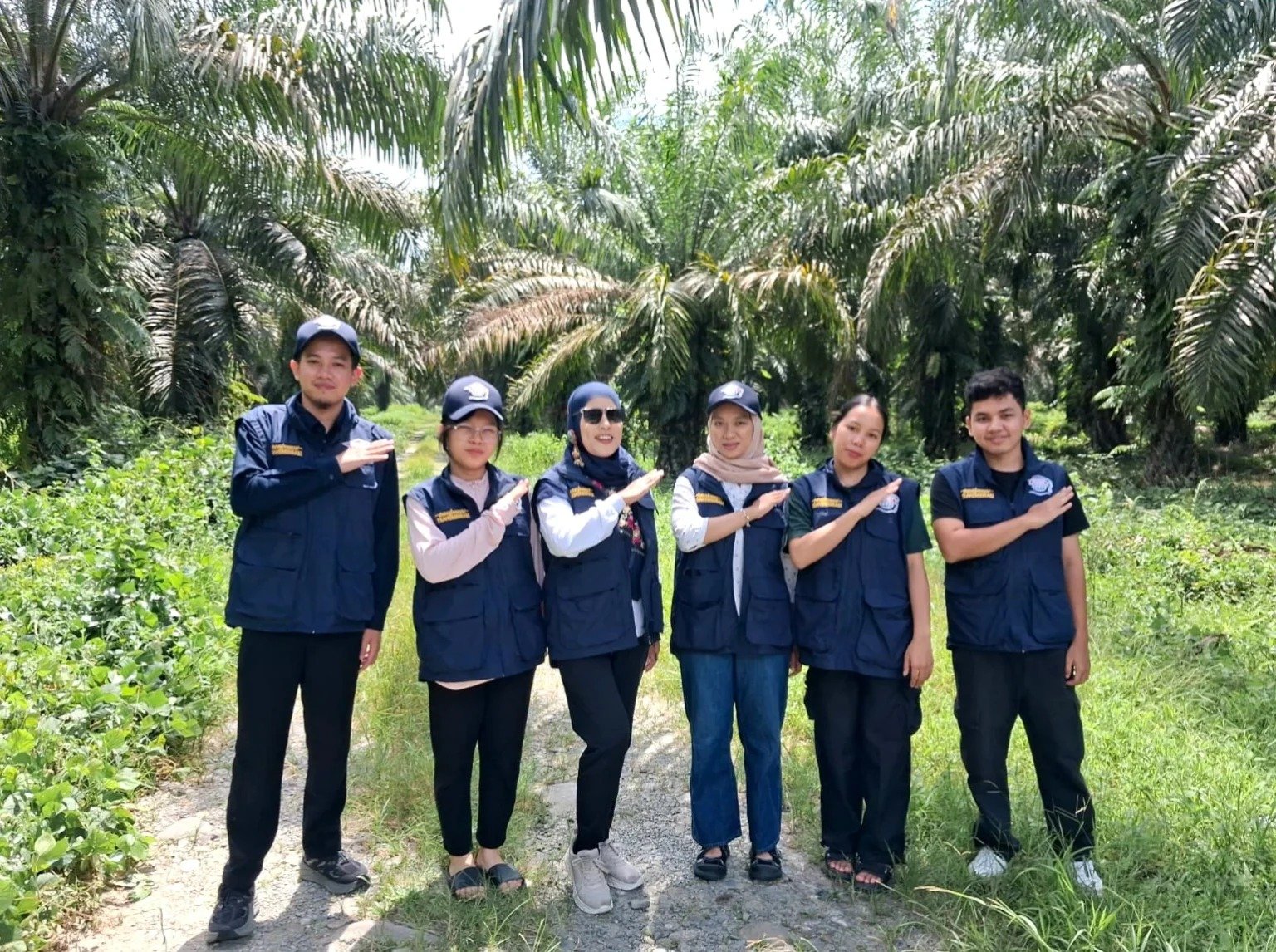
Prof. Erma and members of the Ekspedisi Patriot Team engage with farmers as part of preparations for the empowerment program. (Photo: Source)
The use of oil palm fronds does more than provide farmers with an alternative source of feed; it also creates new economic opportunities. In addition to producing silage for their own livestock, farmers can process and sell the product to generate additional value.
“This concept also applies the principles of a circular economy by transforming plantation waste into a productive resource,” Prof. Erma explained.
The program also includes a Mobile Livestock Health Post, which visits farmers at their locations. Services include assistance with cattle health and reproduction, feed management, barn sanitation, treatment, and livestock record-keeping. The team is also training local livestock cadres so that the community can continue providing assistance after the program ends.
Building a Data-Driven Livestock System
Each targeted animal is also provided with a livestock recording card containing information on its identity, health status, weight, Body Condition Score (BCS), reproductive condition, treatments, and feed. These records enable farmers to monitor cattle development and identify health and reproductive problems at an early stage.
“The team is targeting cattle weights that remain within recommended standards and improved reproductive productivity, with a goal of achieving one calving per year,” she said.
The program involves farmer groups, local livestock cadres, and village-owned enterprises (BUMDes) or cooperatives to support the production and distribution of SILPA-SAPI. Coordination among local government, core companies, and plasma farmers is also part of the effort to establish sustainable partnerships.
Through the program, the team aims to strengthen farmers’ capacity, promote the use of oil palm waste as livestock feed, and establish data-driven livestock management practices.
“In the long term, we hope the system can operate independently, be replicated elsewhere, and generate economic benefits for farmers,” Prof. Erma concluded.
The program also supports the Sustainable Development Goals (SDGs), particularly SDG 2 (Zero Hunger), SDG 3 (Good Health and Well-being), SDG 8 (Decent Work and Economic Growth), SDG 12 (Responsible Consumption and Production), and SDG 15 (Life on Land).