




EduAsiaNews, Jakarta — The Seminar and Workshop (Seminar dan Lokakarya or Semiloka) on Teachers and Teacher Education in Indonesia at Universitas Negeri Jakarta (UNJ) has entered the discussion stage through three commissions. The commissions are focusing on regulation; curriculum and learning systems; and teacher governance and professional development as part of efforts to formulate recommendations for reforming teacher education in Indonesia.
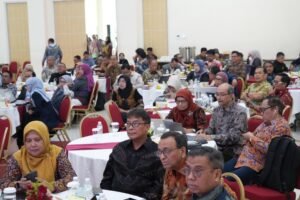
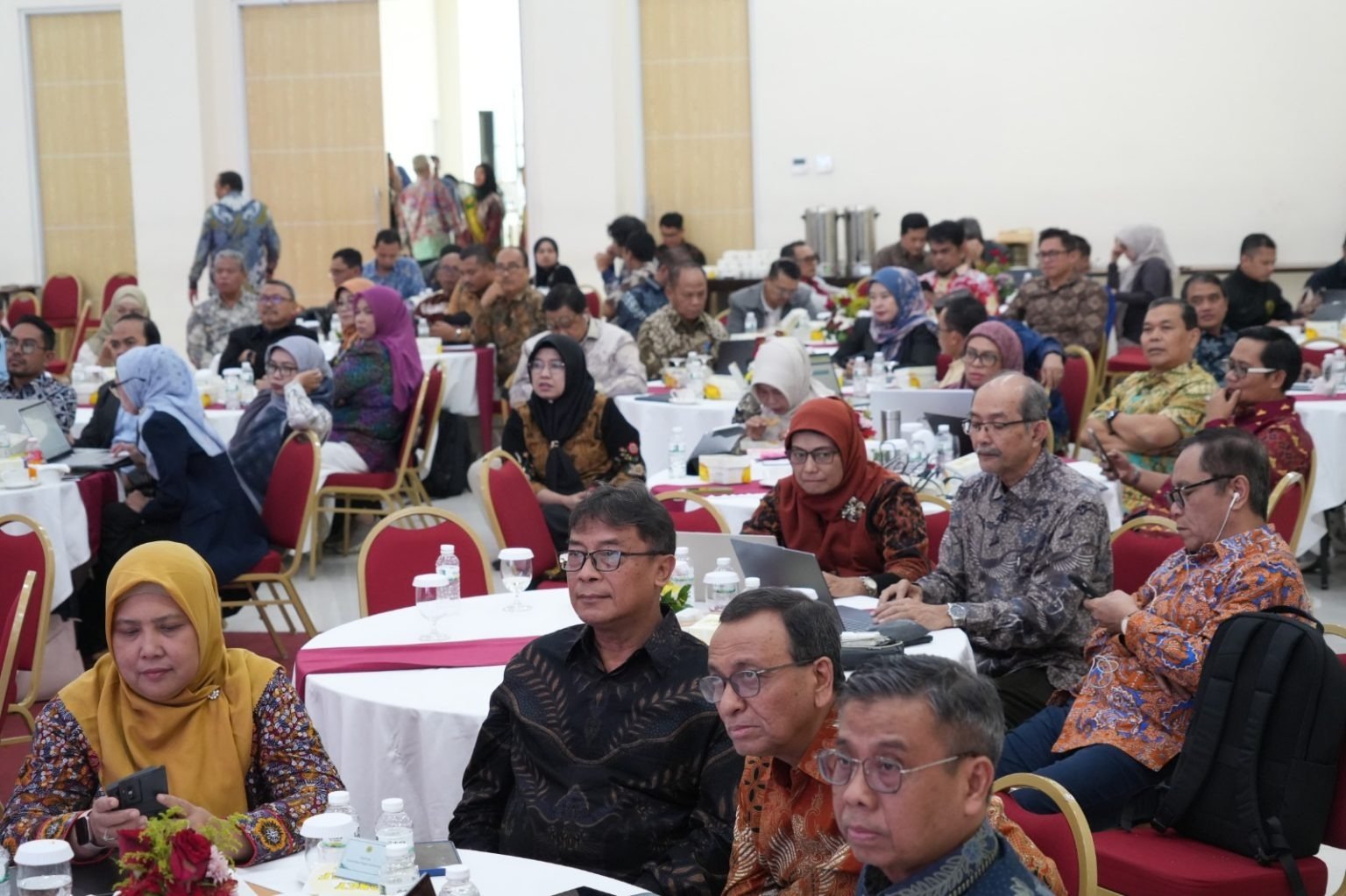
Themed “Reforming Teacher Education in Indonesia,” the Semiloka was held at the Ballroom on the 8th Floor of Hotel Naraya UTC UNJ on Saturday (August 15, 2026). The forum brought together representatives from the government, teacher-training universities, professional organizations, and other education stakeholders. It was organized by the Indonesian Association of Education Scholars (ISPI) in collaboration with the rectors of Teacher Training and Education Institutions (LPTK), the Forum of Deans of State FKIP (Forkom FKIP), and the Forum of Deans of Tarbiyah and Teacher Training Faculties (Fordetak).
The discussions were divided into three commissions to ensure that issues surrounding teacher education were examined from multiple perspectives. Each commission focused on interconnected aspects, with the findings expected to serve as the basis for comprehensive recommendations.
Commission A discussed “Key Points for Teacher Education Regulation in the Draft National Education System Bill (RUU Sisdiknas).” The commission focused on identifying regulatory needs related to teacher education and formulating key points that could serve as input for deliberations on the Draft National Education System Bill.
The discussion covered the position of teacher education within the national education system, the institutional role of LPTKs, academic and professional education, as well as the regulatory framework needed to ensure that teacher education is implemented on a clear and integrated legal basis.
Meanwhile, Commission B addressed “Curriculum and Learning Systems for Teacher Education (Teacher Education in the Draft National Education System Bill).” The commission examined how teacher education curricula can be designed to respond to the needs of schools and developments in education.
The discussion went beyond curriculum structure to address learning systems for prospective teachers. Academic, pedagogical, professional, and social competencies, as well as the ability to adapt to technological developments and changing student characteristics, were among the key issues examined.
Commission C focused on “A Study of Education Governance and Teacher Professional Development in Indonesia.” Its discussions centered on teacher governance after the completion of teacher education, including recruitment, placement, career development, professional development, and continuous competency enhancement.
Teacher governance was considered important because challenges in the teaching profession do not end with education and graduation. The system governing teachers’ professional careers is also essential to ensuring the availability of qualified teachers and their equitable distribution according to the needs of regions and educational institutions.
The three commissions brought together government representatives, leaders and academics from LPTKs, professional organizations, and education stakeholders. Their involvement is expected to ensure that the recommendations reflect not only academic perspectives but also policy considerations and conditions on the ground.
The outcomes of discussions by Commissions A, B, and C will subsequently be consolidated into the recommendations of the Semiloka on Teachers and Teacher Education in Indonesia. The recommendations are expected to provide input for the government and the Indonesian House of Representatives (DPR RI) in reforming teacher education policies, including the ongoing process of drafting the National Education System Bill.
ISPI Chairman Prof. Solehudin said that reforming teacher education cannot be undertaken partially.
“Teacher education reform cannot be carried out in isolation. We need to view it as an integrated system, starting from regulations, LPTK institutions, curriculum, professional education, to teacher governance and professional development. Through this Semiloka, we aim to gather ideas from various stakeholders so that the recommendations produced truly address the needs of teacher education in Indonesia,” he said.
UNJ Rector Prof. Komarudin said UNJ welcomed and supported the Semiloka as a forum for stakeholders to discuss the future of teacher education.
“As a higher education institution with a strong mandate to prepare education professionals, UNJ has a vested interest in ensuring that teacher education reform is grounded in field needs, data, and contemporary developments. We hope the discussions from the three commissions will provide concrete input for the government and DPR in strengthening teacher education policy through the National Education System Bill,” Prof. Komarudin said.
Through the forum, UNJ, ISPI, and the LPTK network are advocating for a comprehensive and sustainable reform of teacher education in Indonesia. Regulation, curriculum, learning systems, and teacher governance need to be treated as an integrated whole to build a teacher education system that remains relevant to Indonesia’s evolving educational needs.