





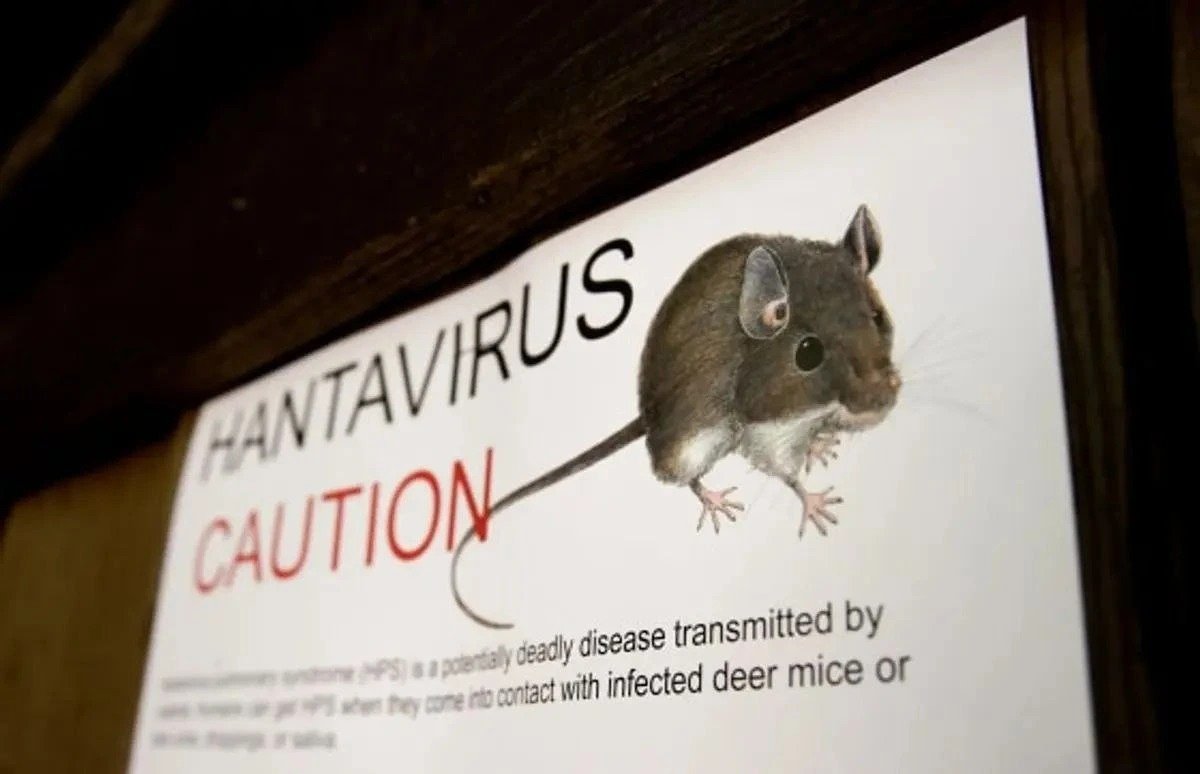
EduAsiaNews, Surabaya – The emergence of a suspected hantavirus cluster aboard the cruise ship MV Hondius has recently drawn public attention after several passengers experienced severe respiratory complications during an international voyage. The incident has become a major global health concern while also serving as a reminder of the risks posed by zoonotic diseases amid increasing human mobility.
An epidemiology expert from the Faculty of Public Health (FKM) at Universitas Airlangga, Laura Navika Yamani, explained that hantavirus generally does not emerge suddenly in enclosed environments such as cruise ships. According to her, the situation is more likely linked to prior exposure before the journey or while individuals were in areas inhabited by rodent reservoirs.
“The incubation period of hantavirus can last for several weeks. As a result, new cases may only appear after individuals have moved to another location,” she stated. She further added that cross-border mobility during sea travel has the potential to broaden the geographic detection of cases without directly indicating the original site of infection.
Transmission Patterns and Environmental Factors
Laura explained that hantavirus is transmitted through exposure to particles originating from the urine, feces, or saliva of infected rodents. Transmission does not require direct contact, as inhalation of contaminated particles alone may cause infection. This condition makes activities in environments with high rodent populations particularly risky.
She emphasized that most hantavirus strains do not exhibit human-to-human transmission. However, certain strains, such as the Andes virus infection, possess limited capability for person-to-person spread. Therefore, she considered epidemiological investigations and genomic analyses essential steps in determining the actual transmission pattern involved.
In addition, environmental changes such as climate change and shifts in animal habitats also influence the distribution of disease reservoirs. “Human activities in newly explored areas and the rise of ecotourism increase the likelihood of contact with zoonotic sources that were previously confined to specific habitats,” she explained.
Early Symptoms and Mitigation Efforts
From a clinical perspective, Laura explained that hantavirus infection initially presents with non-specific symptoms, including fever, fatigue, and gastrointestinal disturbances. The condition may rapidly progress into severe pneumonia, followed by Acute Respiratory Distress Syndrome (ARDS), and eventually shock. At this stage, patients require intensive medical care in healthcare facilities.
She added that the severe form of hantavirus infection, known as Hantavirus Pulmonary Syndrome (HPS), carries a relatively high fatality rate. “In HPS cases, the fatality rate can reach 30–50 percent, especially if treatment is not administered promptly,” she explained.
Laura stressed the importance of early detection and strengthening health surveillance systems, including genomic surveillance, to better understand viral transmission patterns. She also encouraged the implementation of the One Health approach, which integrates human, animal, and environmental health.
The Secretary of the Institute of Tropical Disease Universitas Airlangga further emphasized that strengthening sanitation measures, monitoring symptoms, and ensuring effective risk communication are crucial to preventing further spread. “In an era of increasing global mobility, healthcare preparedness and early detection are essential to prevent the escalation of similar cases in the future,” she concluded.