




EduAsiaNews, Depok – A Paradigm Shift in Stroke Care: From Saving Lives to Restoring Life’s Meaning
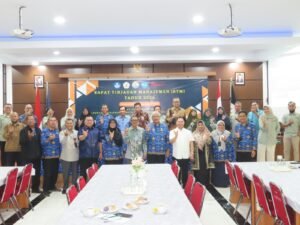
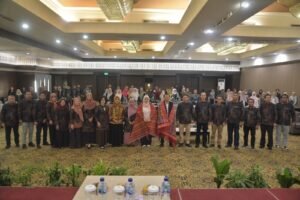
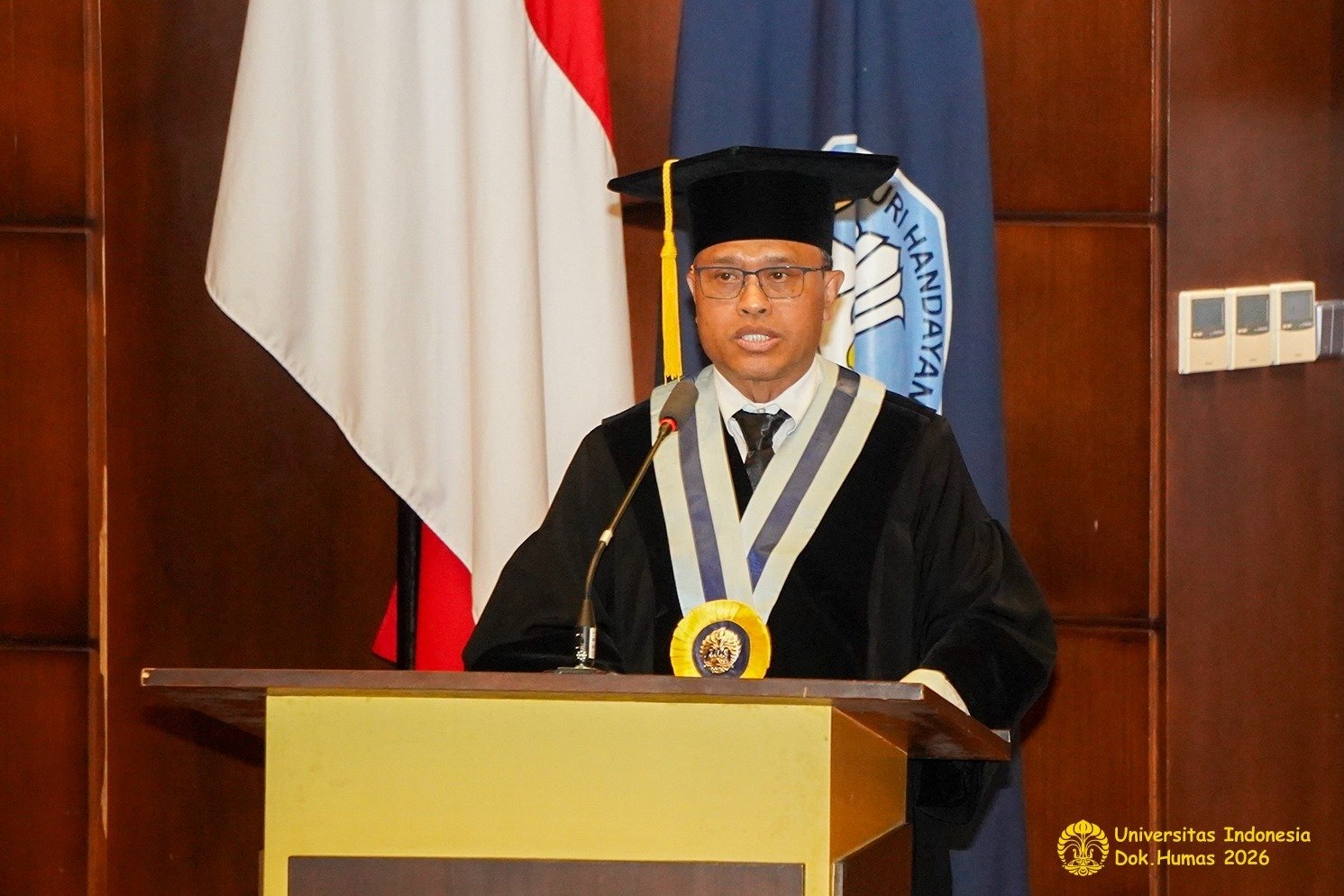
The focus of stroke management has shifted from merely saving lives to restoring the meaning of life, highlighted during the inauguration of Prof. Dr. I Made Kariasa, S.Kp., M.M., M.Kep., Sp.Kep.M.B. as a Full Professor in Neurological Nursing at the Faculty of Nursing (FIK), Universitas Indonesia (UI). The ceremony took place at the UI Balai Sidang on Wednesday, 1 April 2026, and was officiated by UI Rector Prof. Dr. Ir. Heri Hermansyah, S.T., M.Eng., IPU.
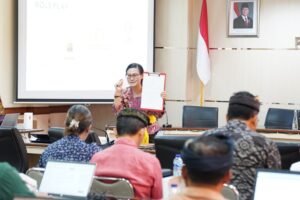
In his inaugural lecture titled “Stroke as a Global and National Health Challenge: Shifting Paradigms from Life-Saving to Life-Meaning in Nursing Perspectives,” Prof. Made emphasized that successful stroke care is no longer measured solely by clinical indicators such as mortality reduction or acute therapy outcomes. A major, often overlooked challenge is how survivors live after their recovery.
“Stroke is not merely a biological event ending with life-saving success. It is a life experience demanding restoration of meaning, dignity, and full human functionality,” said Prof. Made.
The Stroke Challenge and the Urgency for a Paradigm Shift
Globally, the rising incidence of stroke and the increasing burden of long-term disability demonstrate that a life-saving approach alone is no longer sufficient. Global projections anticipate continued growth in stroke cases by 2030. While mortality rates have decreased due to advances in medical technology, the number of survivors living with physical and social limitations continues to rise.
In Indonesia, the high prevalence of stroke—estimated at 8.3%—and lifestyle-related risk factors underscore the urgent need for a comprehensive approach. Factors such as hypertension, diabetes, physical inactivity, smoking, and stress indicate that stroke is not only a clinical issue but is closely tied to behavior and social determinants of health.
Prof. Made advocates that neurological nursing must move from a fragmented approach to continuous accompaniment—covering promotive, preventive, curative, and rehabilitative care. The life-meaning paradigm ensures survivors not only survive but can live meaningful, independent, and dignified lives.
Research, Innovation, and the Future of Neurological Nursing
Prof. Made’s academic journey over the past five years (2020–2025) has focused on research-driven and innovative nursing practice. His work includes self-management interventions, stroke recurrence prevention, and studies on internalized stigma among survivors.
Findings highlight that internalized stigma profoundly affects survivors’ identity and life meaning, emphasizing that recovery must address not only physical but also psychosocial dimensions, self-esteem, and life reconstruction.
Innovatively, Prof. Made developed the Kariasa Digital Sensor (SenDiKa 1.0 & 2.0)—a non-invasive device capable of simultaneously measuring blood pressure, blood sugar, and cholesterol—to support early detection and self-management for post-stroke patients.
Looking forward, his research roadmap aims to develop a life-meaning-based neurological nursing model tailored to Indonesian culture, integrating medical interventions with psychosocial recovery and strengthening the role of family and community in rehabilitation.
Through this inauguration, Prof. Made calls on academics, practitioners, and policymakers to reconsider the meaning of success in healthcare, highlighting a new direction for neurological nursing: the future of health services should not only extend life but also honor and enrich it.