




EduAsiaNews, Bogor — Plant diseases caused by fungi remain one of the dominant factors limiting national food productivity. These microbial infections—commonly referred to as fungi—develop optimally in tropical regions and can drastically reduce crop yields, even causing total crop failure in certain cases.
Considering the significant economic impact, the accurate identification of disease-causing agents becomes the most critical stage in the overall plant disease management strategy.
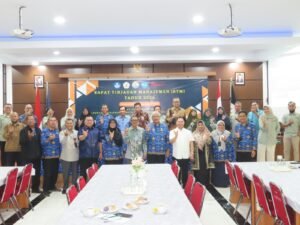
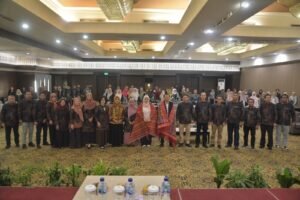
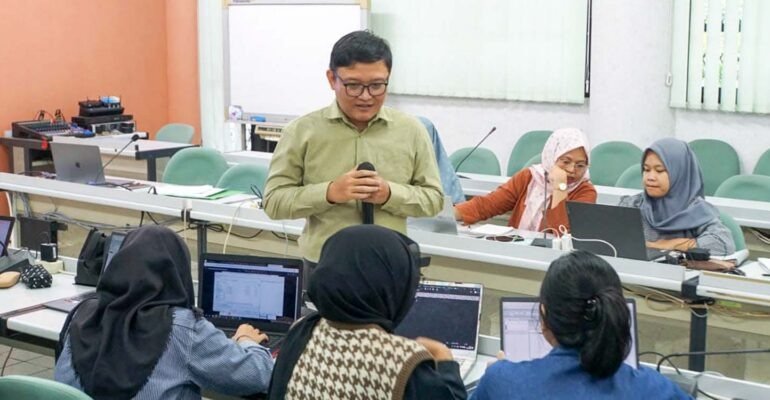
In response to this challenge, the Department of Plant Protection, Faculty of Agriculture at IPB University, through the course Advanced Techniques in Phytopathology, organized its 39th Guest Lecture.
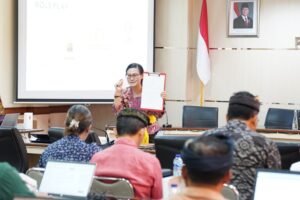
The event featured Dr. Nurholis, a staff member of the Indonesian Quarantine Authority (Barantin), who provided in-depth insights for students on multilocus analysis in fungal identification, particularly for fungi that form species complexes.
Multilocus Sequence Analysis (MLSA) is an identification method based on analyzing DNA sequences from multiple genes simultaneously. Dr. Nurholis explained that this method produces far more accurate results than conventional identification methods that rely solely on morphological characteristics.
“Particularly for the Indonesian Quarantine Authority, MLSA is relied upon as a rapid and accurate detection instrument at border entry points to ensure that export–import commodities are free from the invasion of harmful pathogens that could threaten national food security,” he explained.
In addition to presenting the theoretical framework, the PhD graduate of the Phytopathology Study Program at IPB University also provided hands-on training in precision identification techniques using Colletotrichum spp. on citrus commodities, which hold high economic value in international trade. The training session was enthusiastically attended by master’s and doctoral students from the Department of Plant Protection.
“Collaboration between the Master’s Program in Integrated Pest Management and the Indonesian Quarantine Authority highlights the importance of inter-institutional cooperation in sharing ideal approaches to pathogen identification,” said Prof. Tri Asmira Damayanti, the lecturer responsible for the course.
Mastering these skills is considered a crucial competency for students, preparing them to address plant protection challenges at the global level after graduation.
The Guest Lecture program has been a regular initiative organized by the Department of Plant Protection over the past five years. Through this activity, it is expected that students will gain deeper insights while also opening opportunities for strategic research collaborations in the future. (*/Rz)